



Office portraits people actually like
- CLIENT
- Various
- INDUSTRY
- Architecture, life sciences, design
- SIZE
- Various
- SERVICE
- Photography
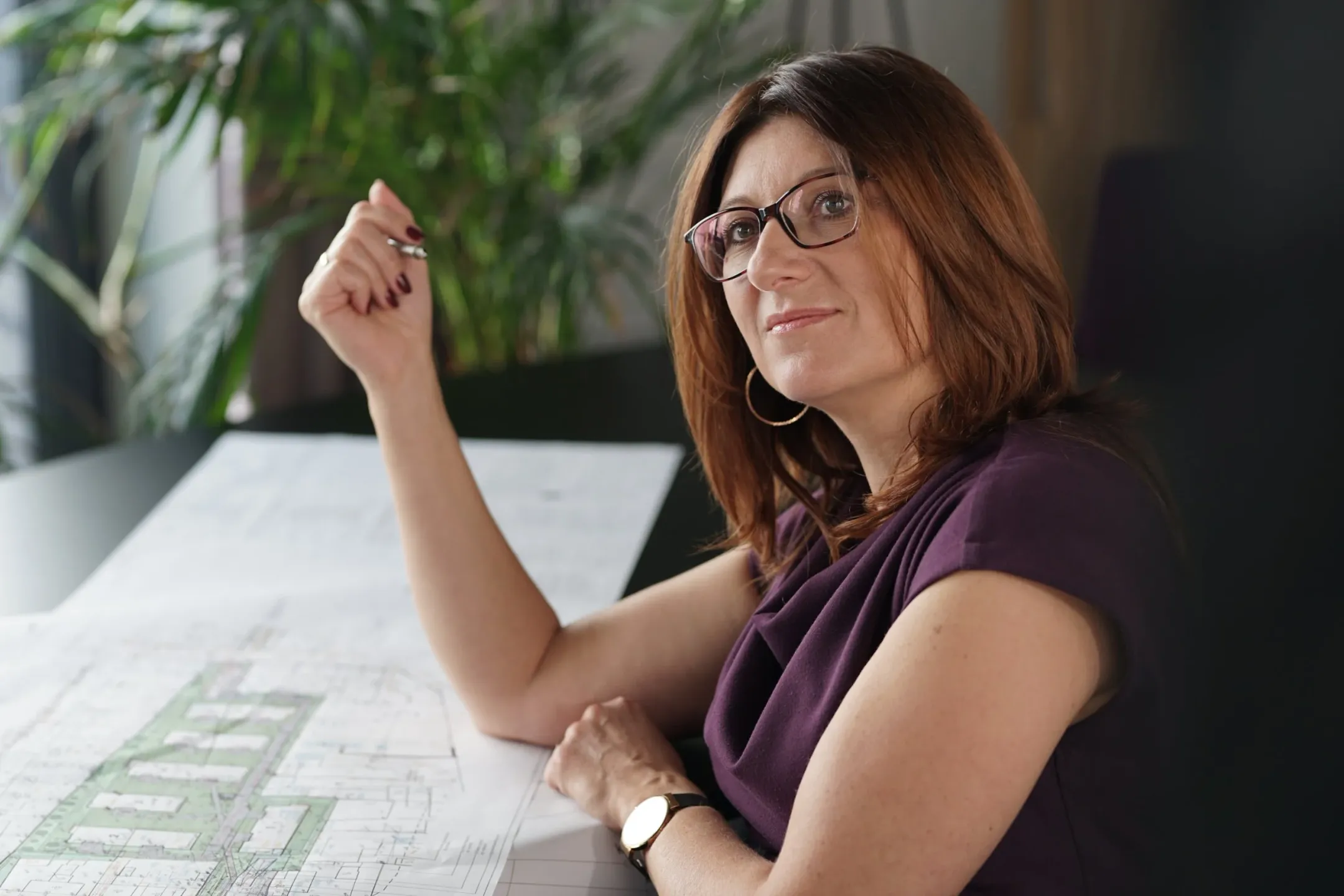
Team pages fail when the photos feel like ID cards. Across three on-site sessions, for an architecture practice, a science animation studio and our own team, we photographed people at work and in portraits: natural, consistent, and taken without anyone dreading the camera.
introduction
01The Problem
Most team pages look the same: a row of stiff faces against a white wall, shot one after another between meetings. Nobody recognises themselves, and nobody sees how the company actually works.
The Approach
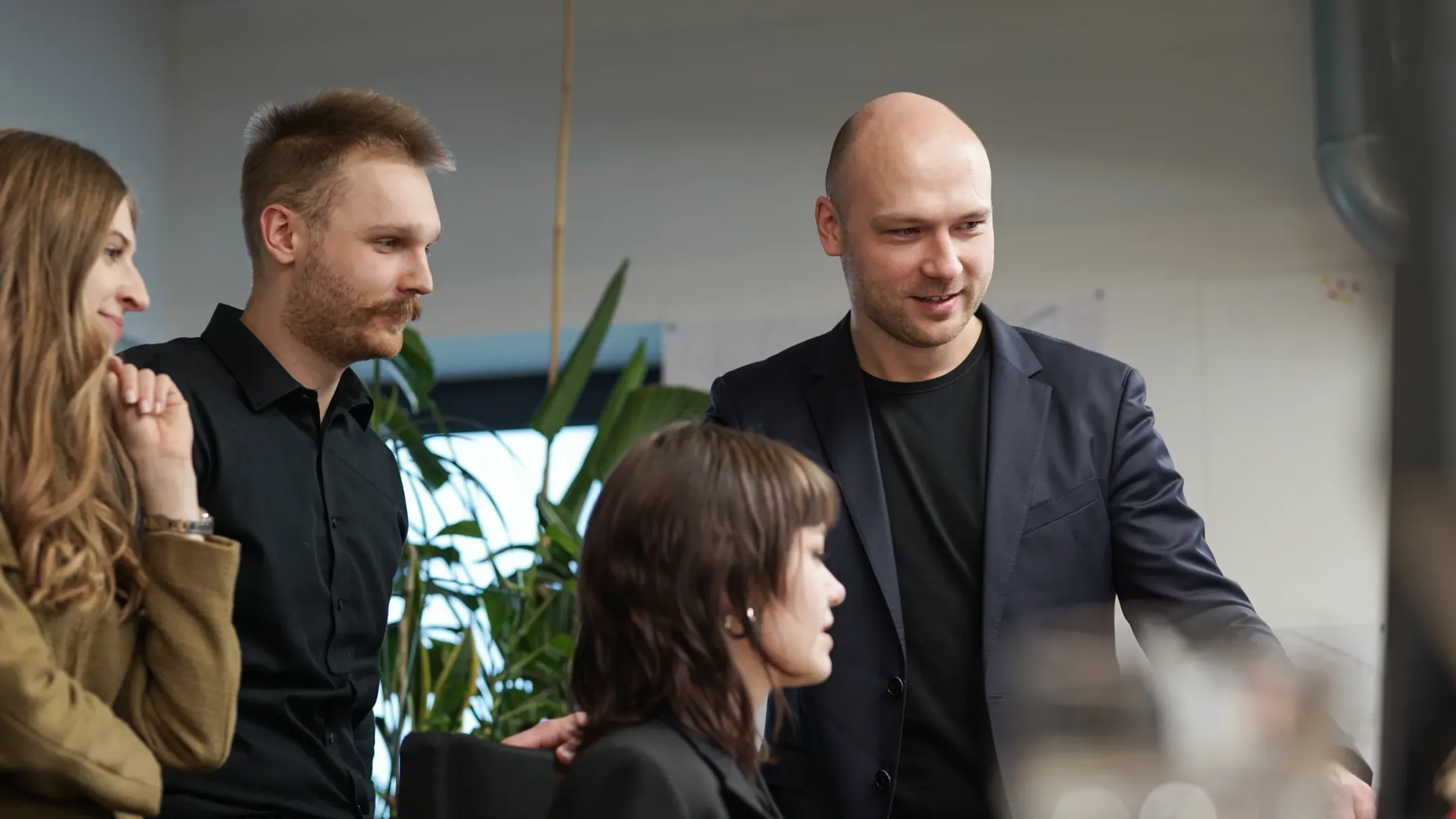
We treat a portrait session like any other brand project. The shot list is agreed before the day, the light is planned for the room we will work in, and people are photographed doing their real work: drawing, presenting, arguing over a plan. This case study collects three sessions shot with the same method: an architecture practice, a science animation studio and our own team.
first meeting
02The Camera Comes to the First Meeting
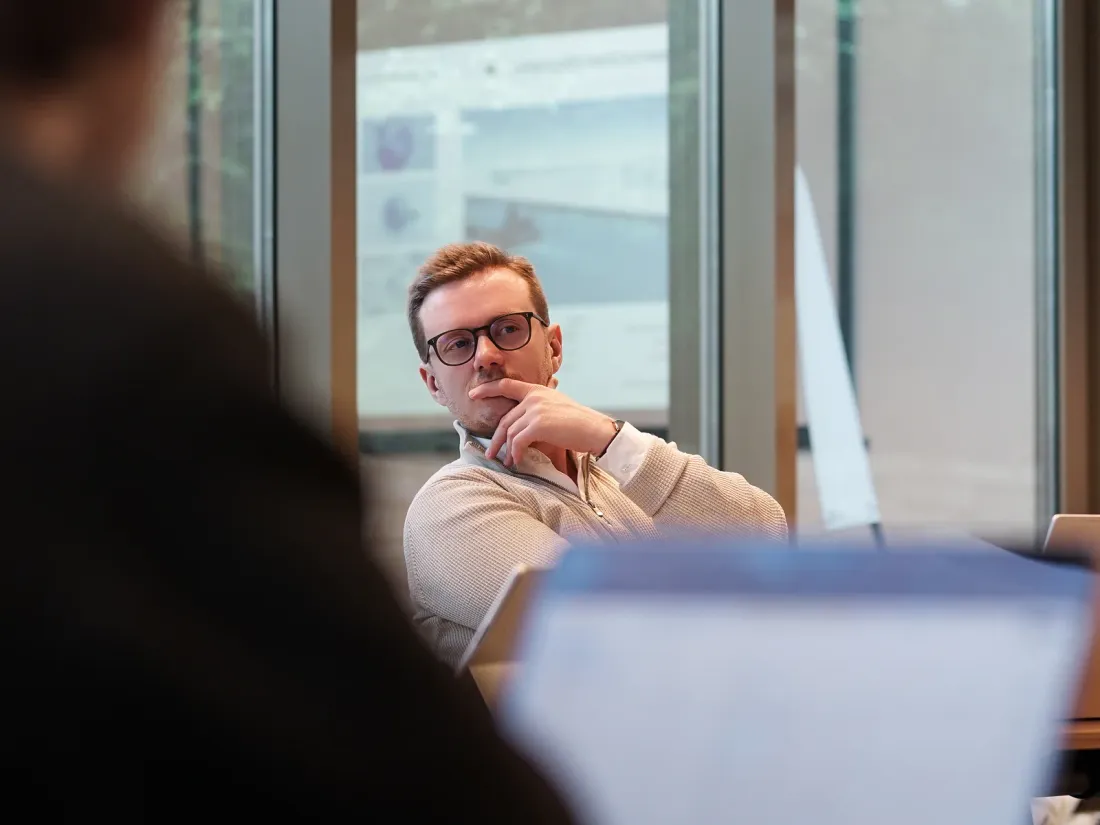
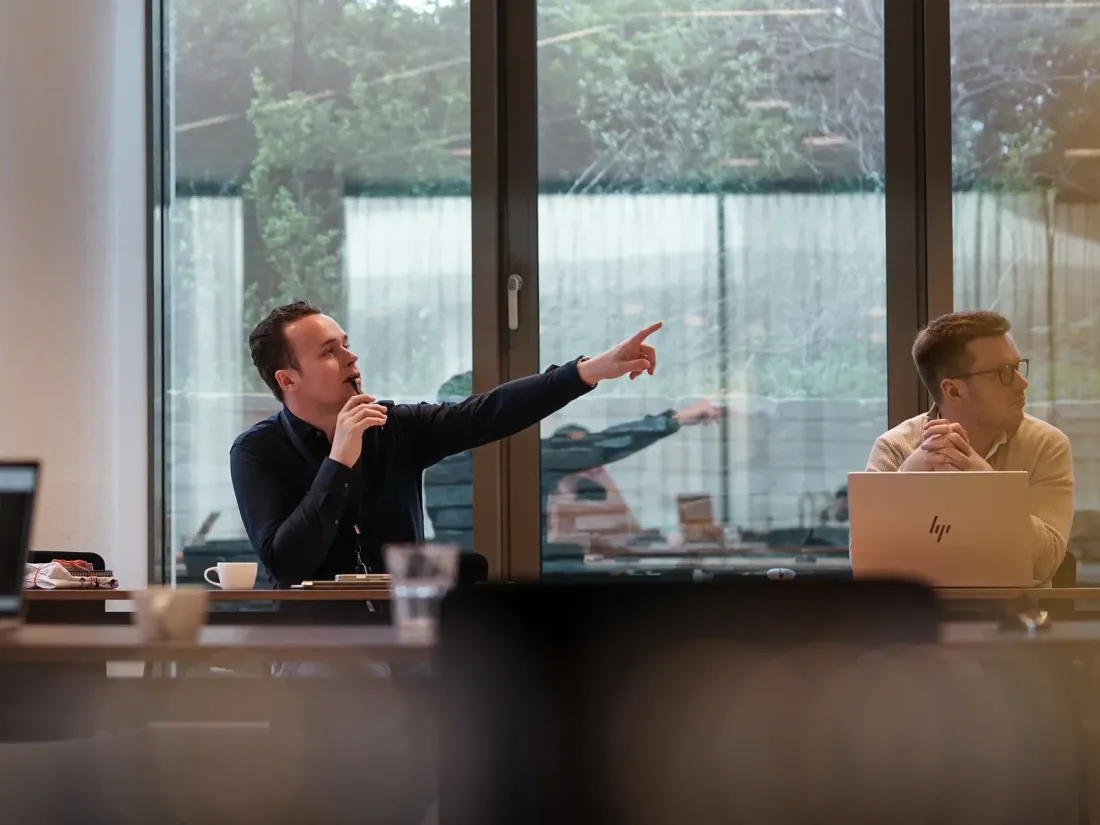
We bring a camera from day one. At kick-off meetings and strategy workshops one of us photographs the session quietly from the side, and the client gets the first selection free of charge, ready for their own social media.
Documentation for Later
The same visits are our chance to document everything that may be useful later in the project: facilities, materials and products, office spaces and the teams who use them. By the time the main shoot comes, we already know the light, the rooms and the people, and the brand work has real photographs to build on.
on set
03Three People on Set
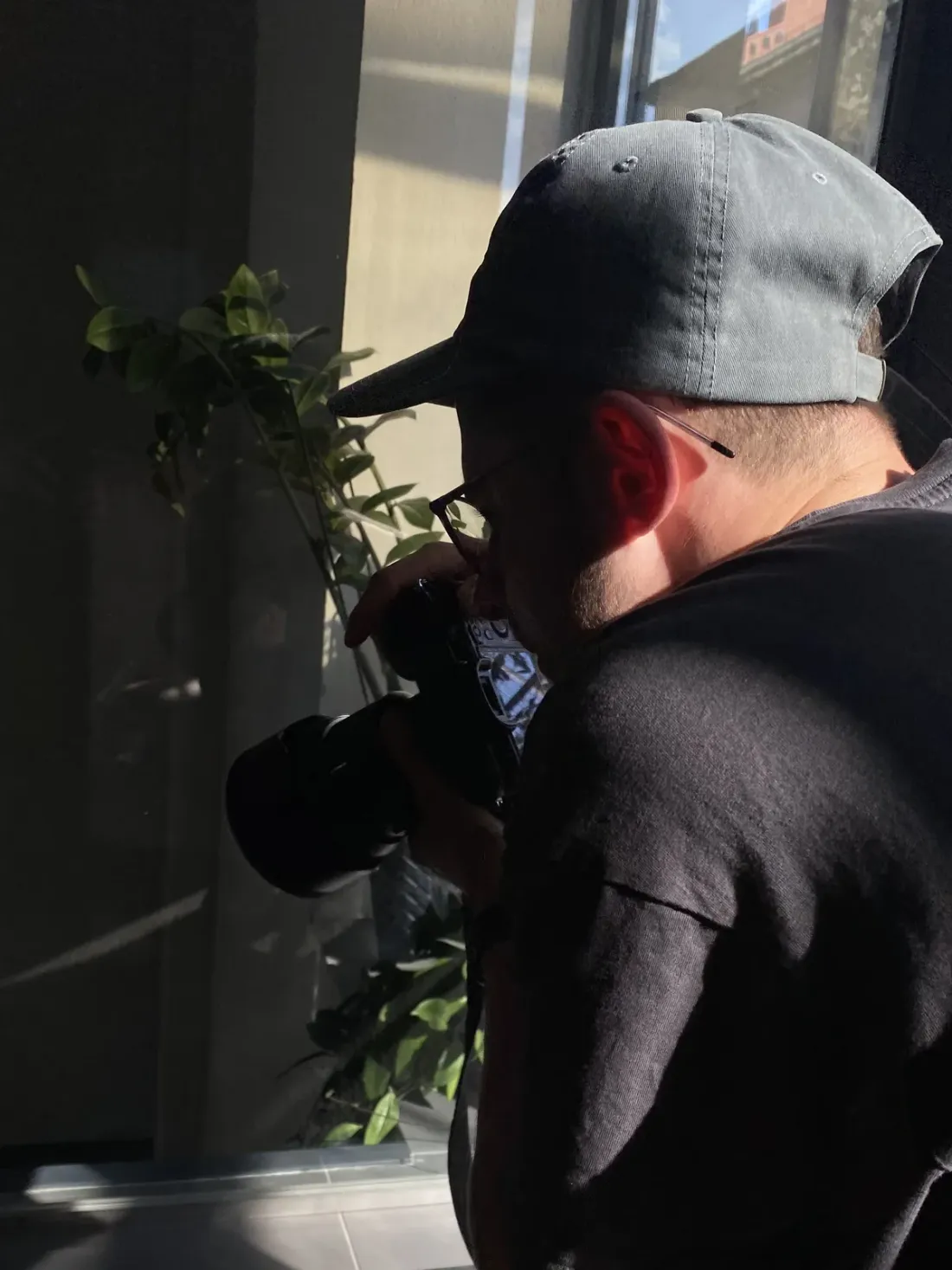
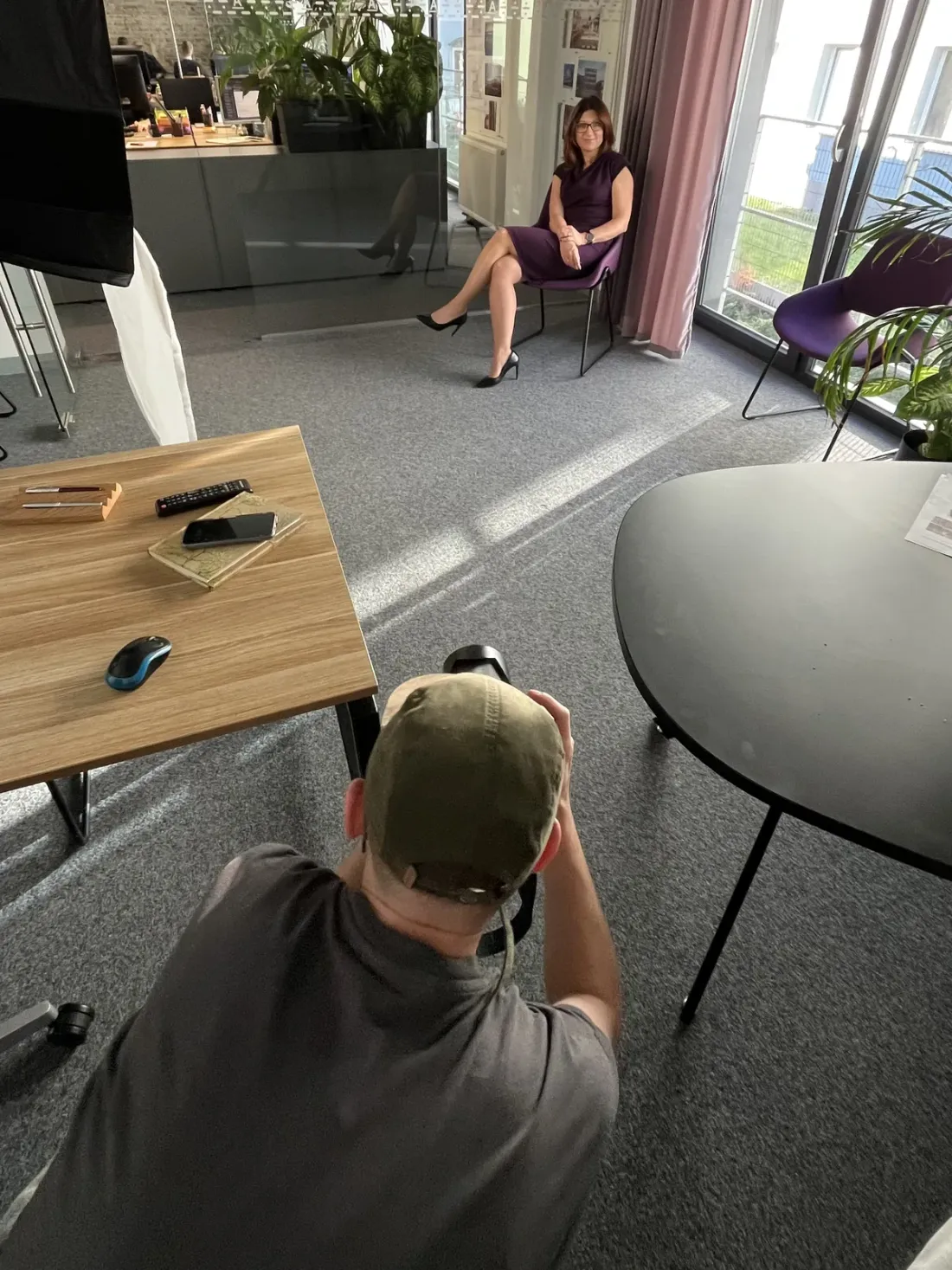
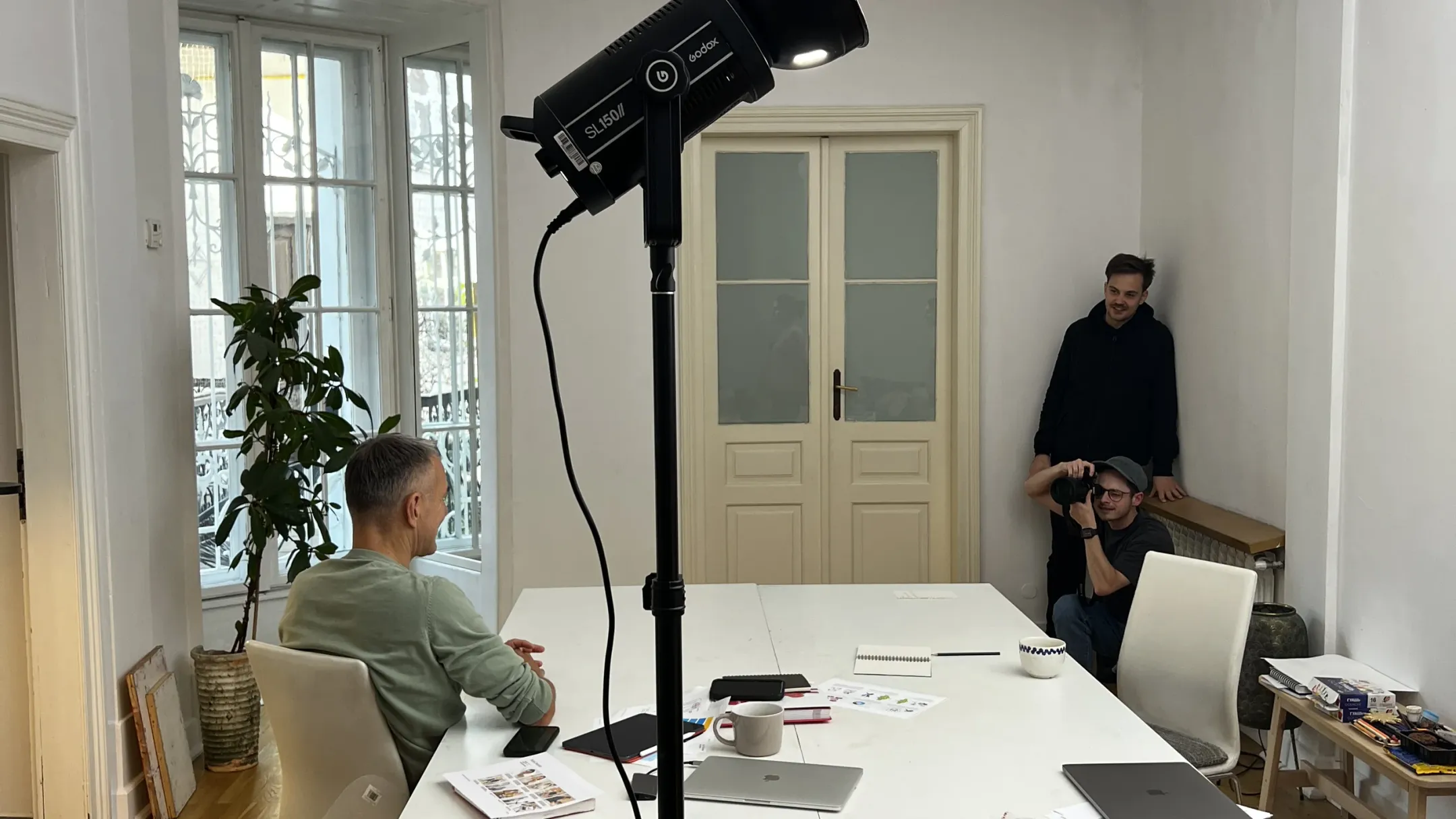
We usually arrive as a crew of three, because a good portrait needs more than a good camera.
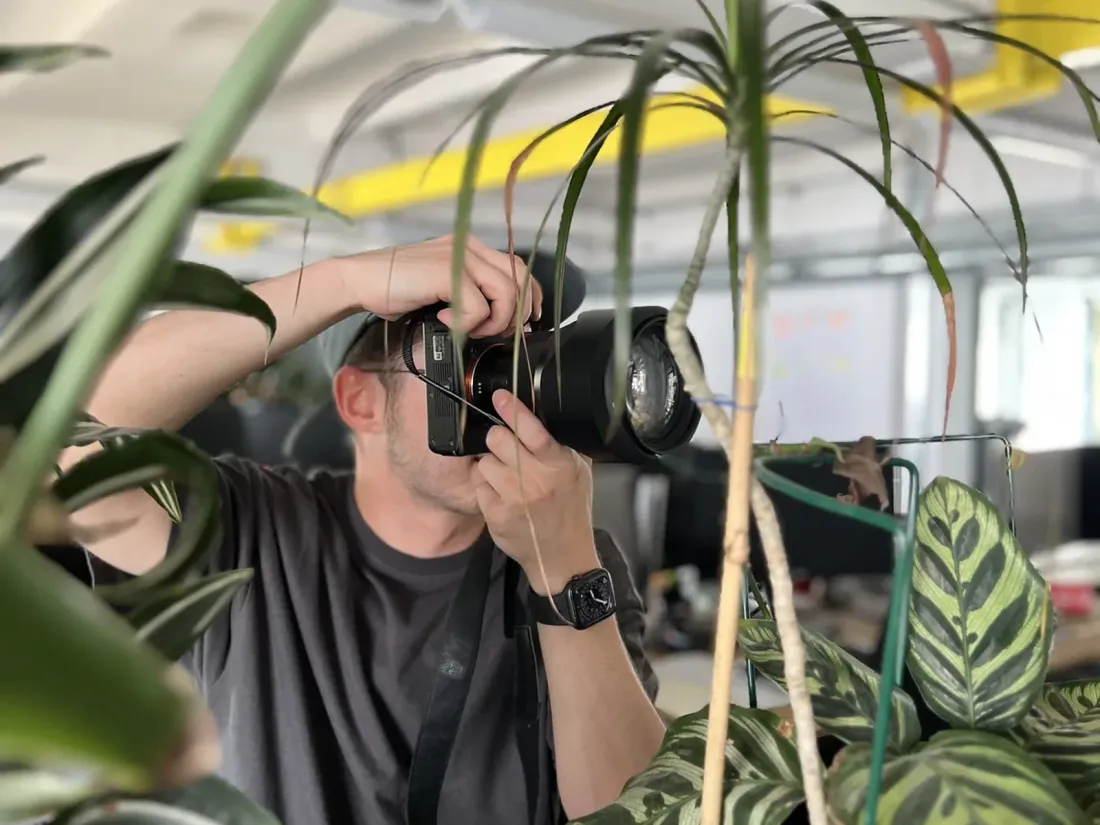
The photographer owns the frame: composition, lenses, timing and a consistent look across hundreds of shots.
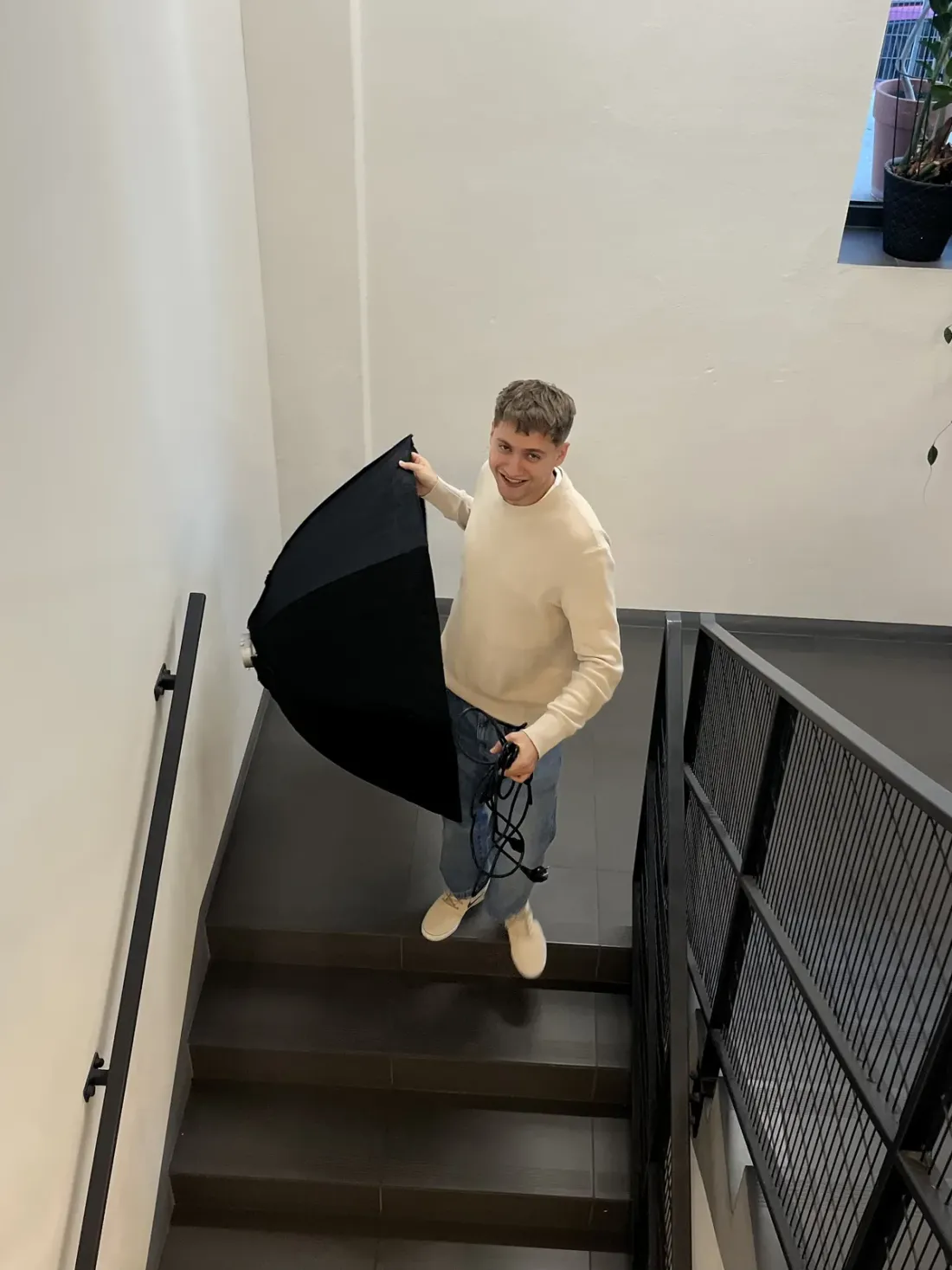
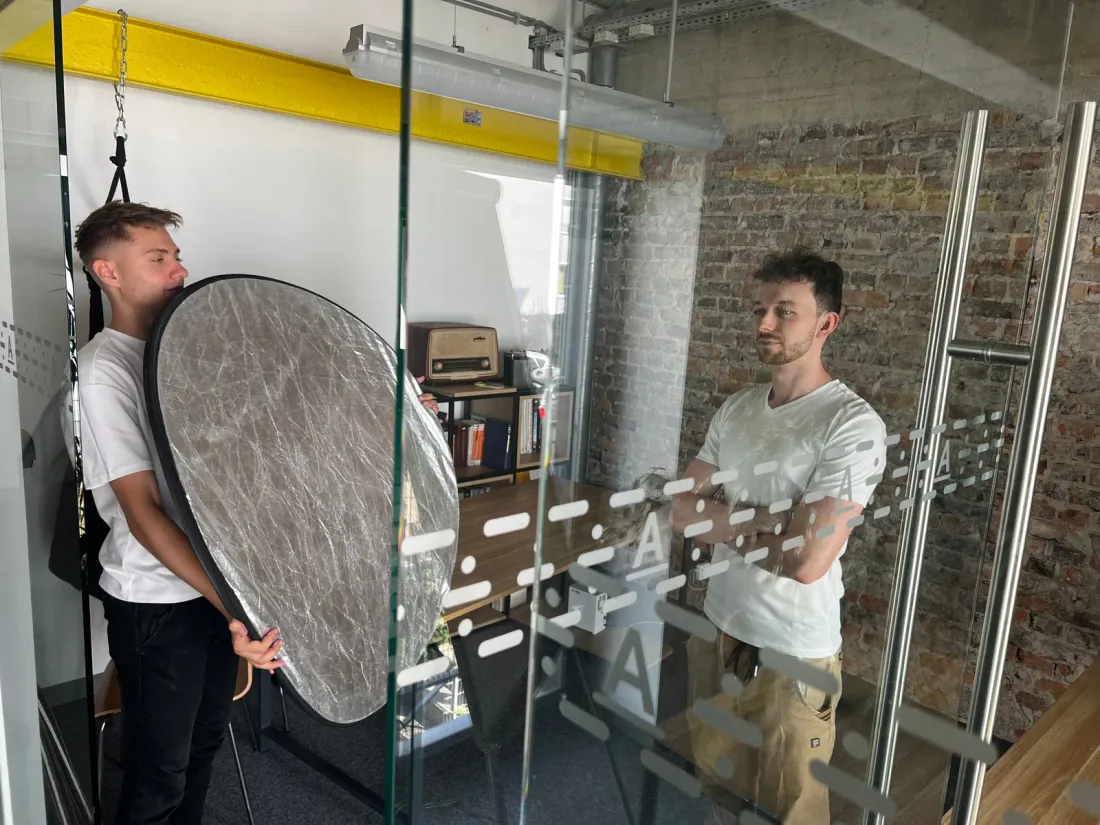
Lighting and logistics moves the reflectors and lamps, keeps the schedule, checks clothes and backgrounds, and makes sure the next person is ready before the last one is finished.
Direction is the job people rarely expect. One of us works with the people in front of the lens: talks to them, gives them something to do with their hands, tells a bad joke at the right moment. That is what turns a pose into an expression, and why people in our photos look like themselves.
headshots
0422 People, One Light
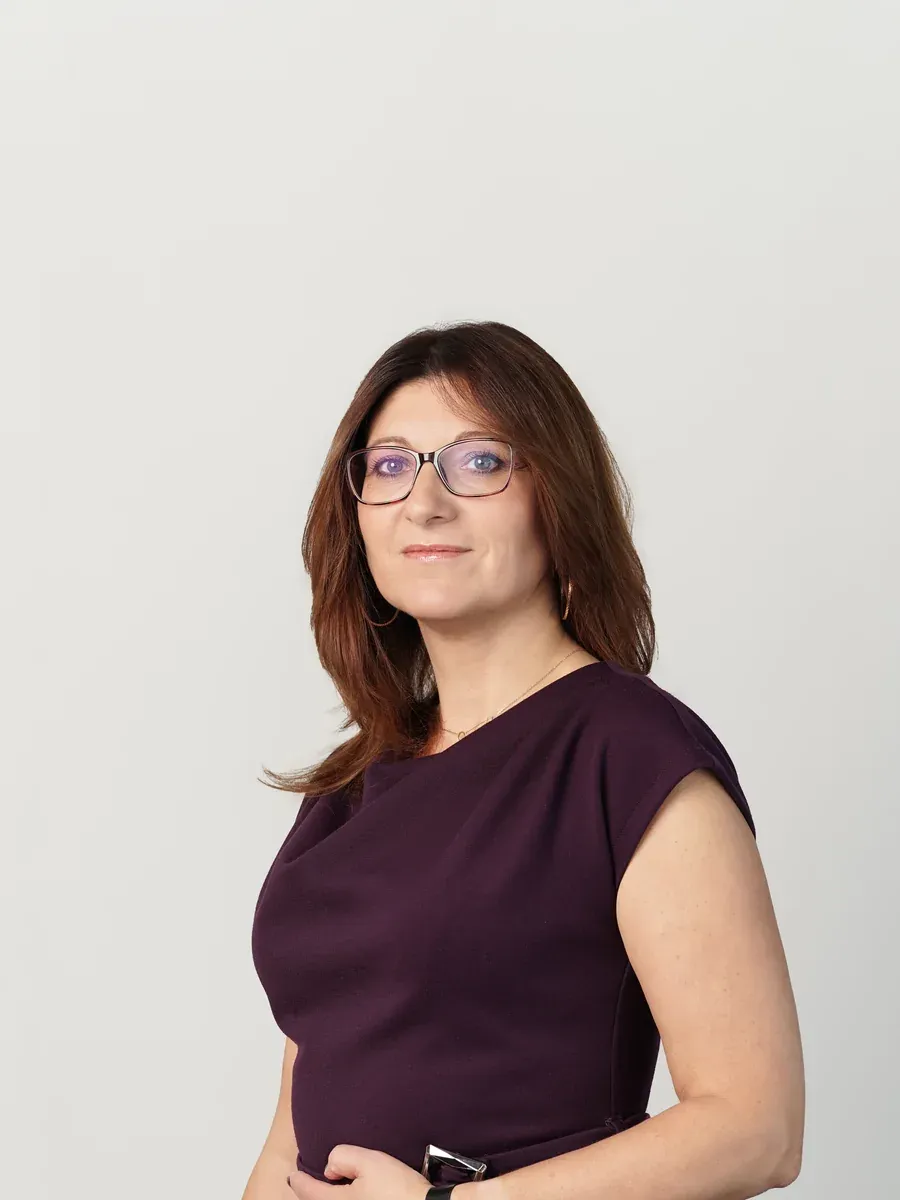
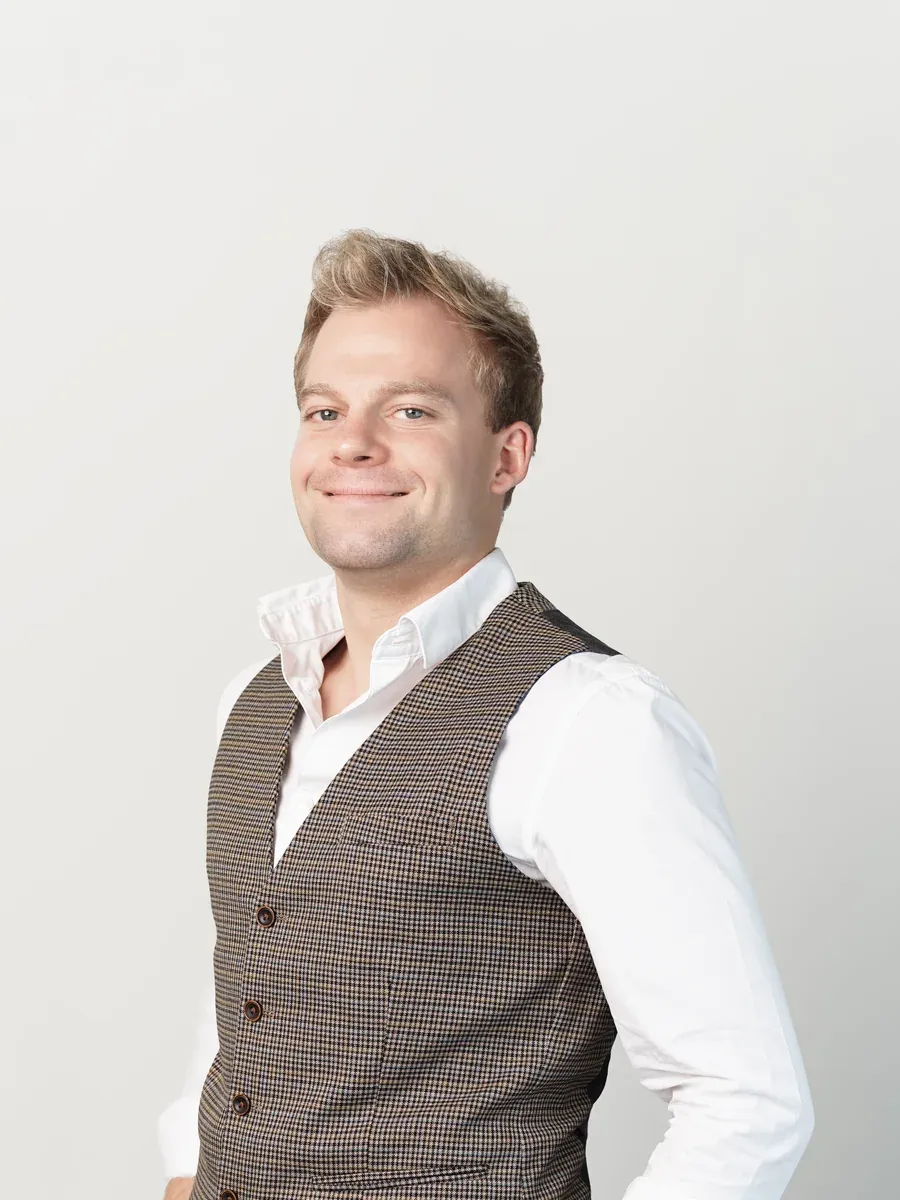
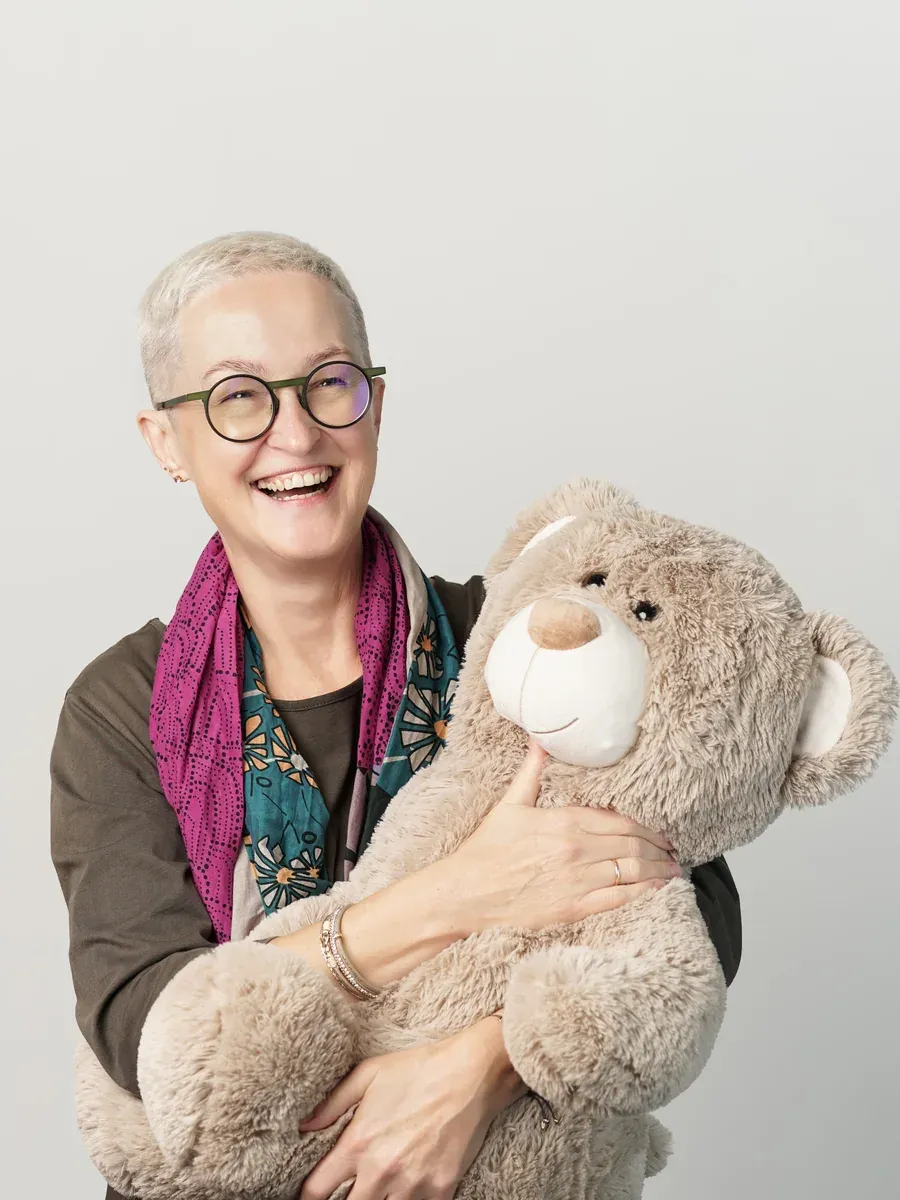
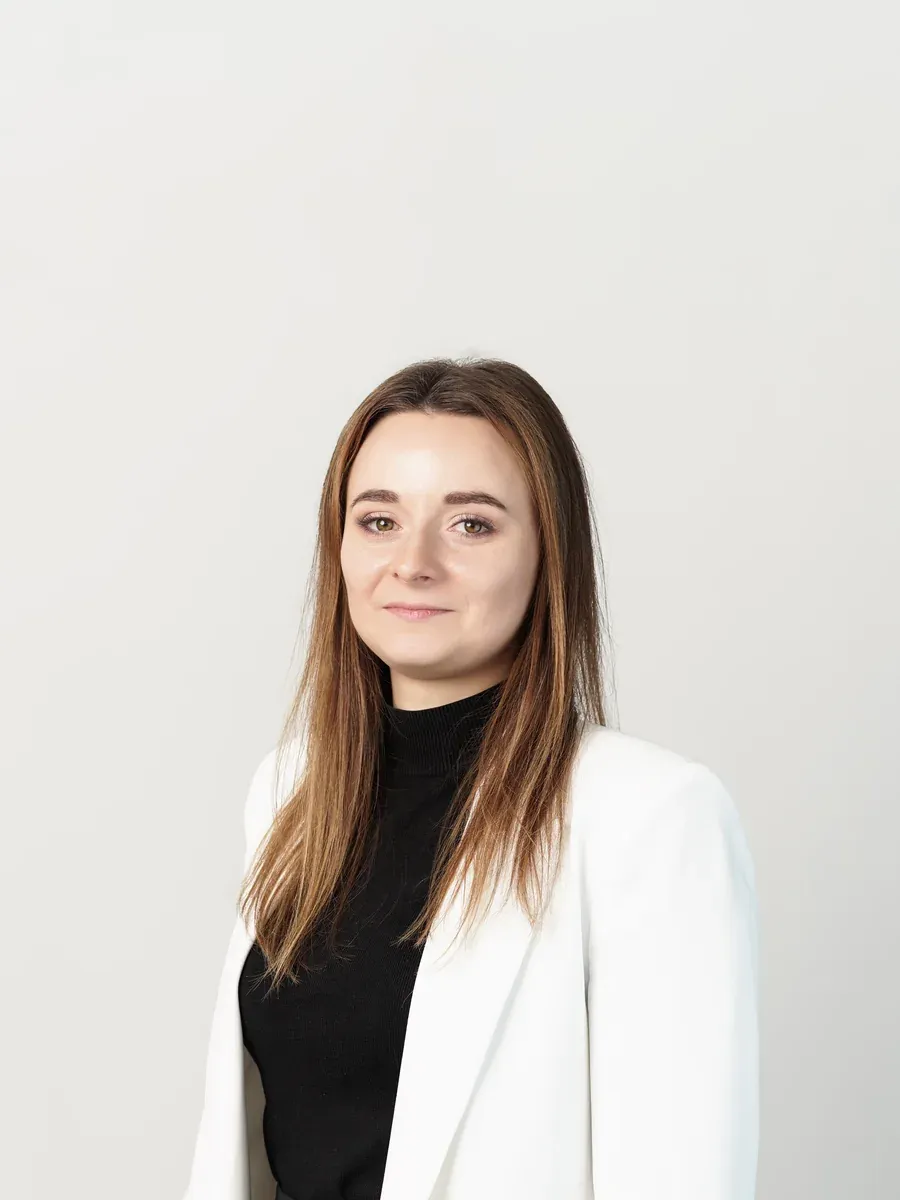
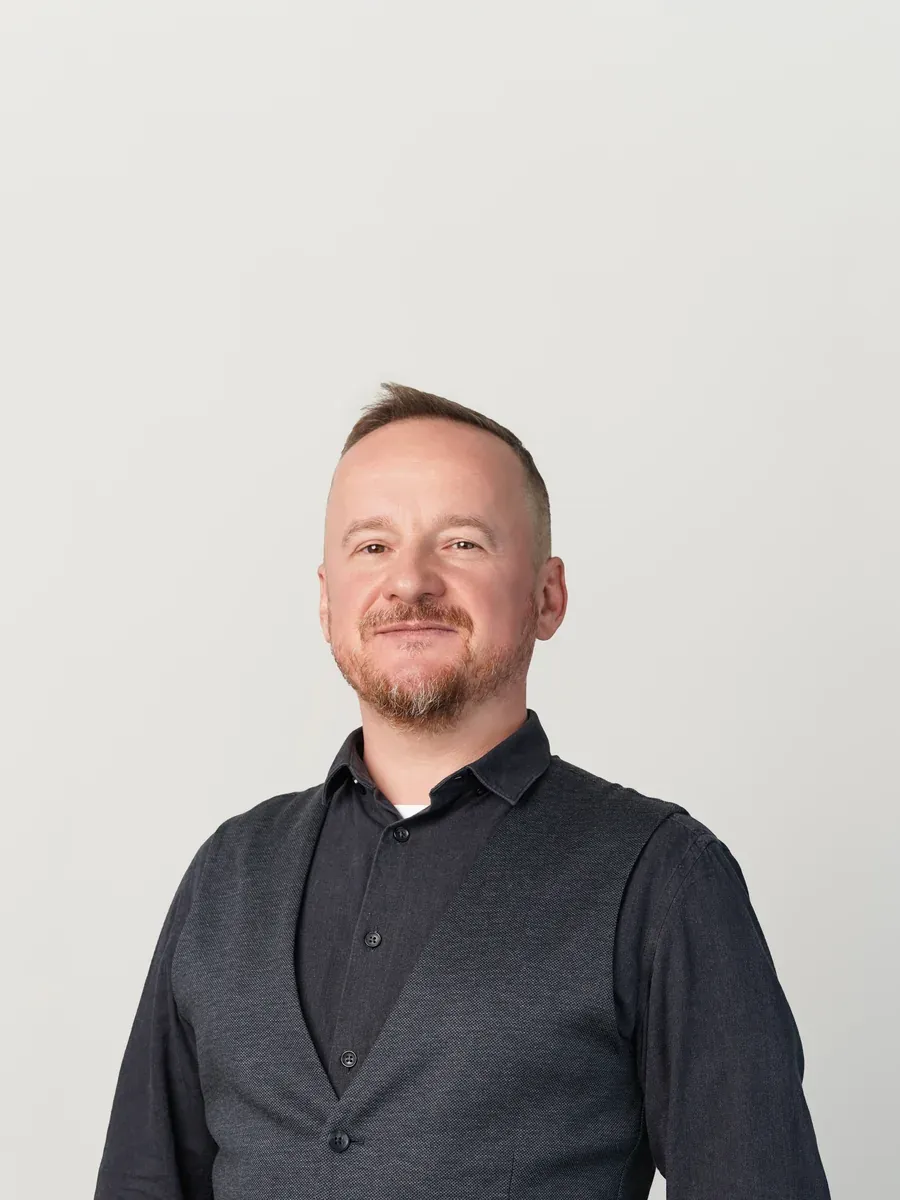
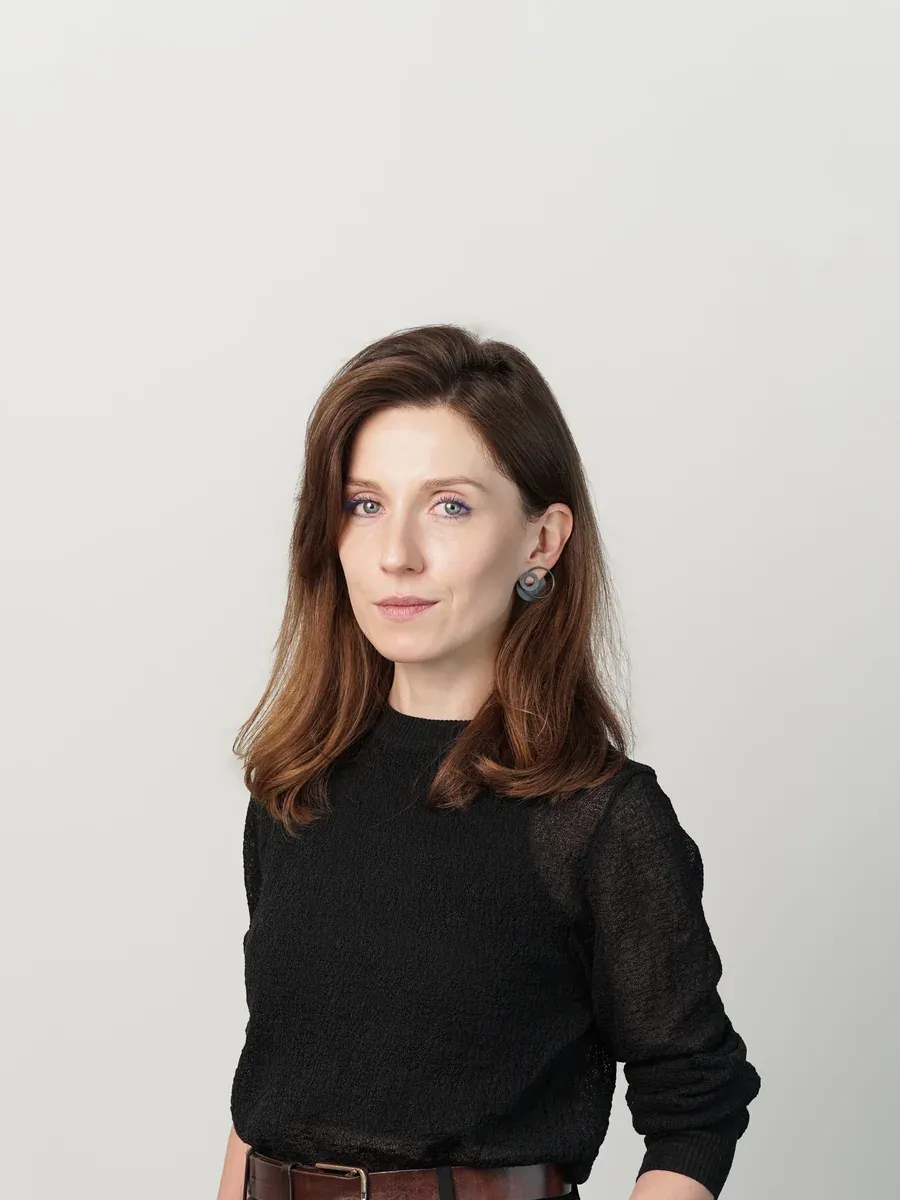
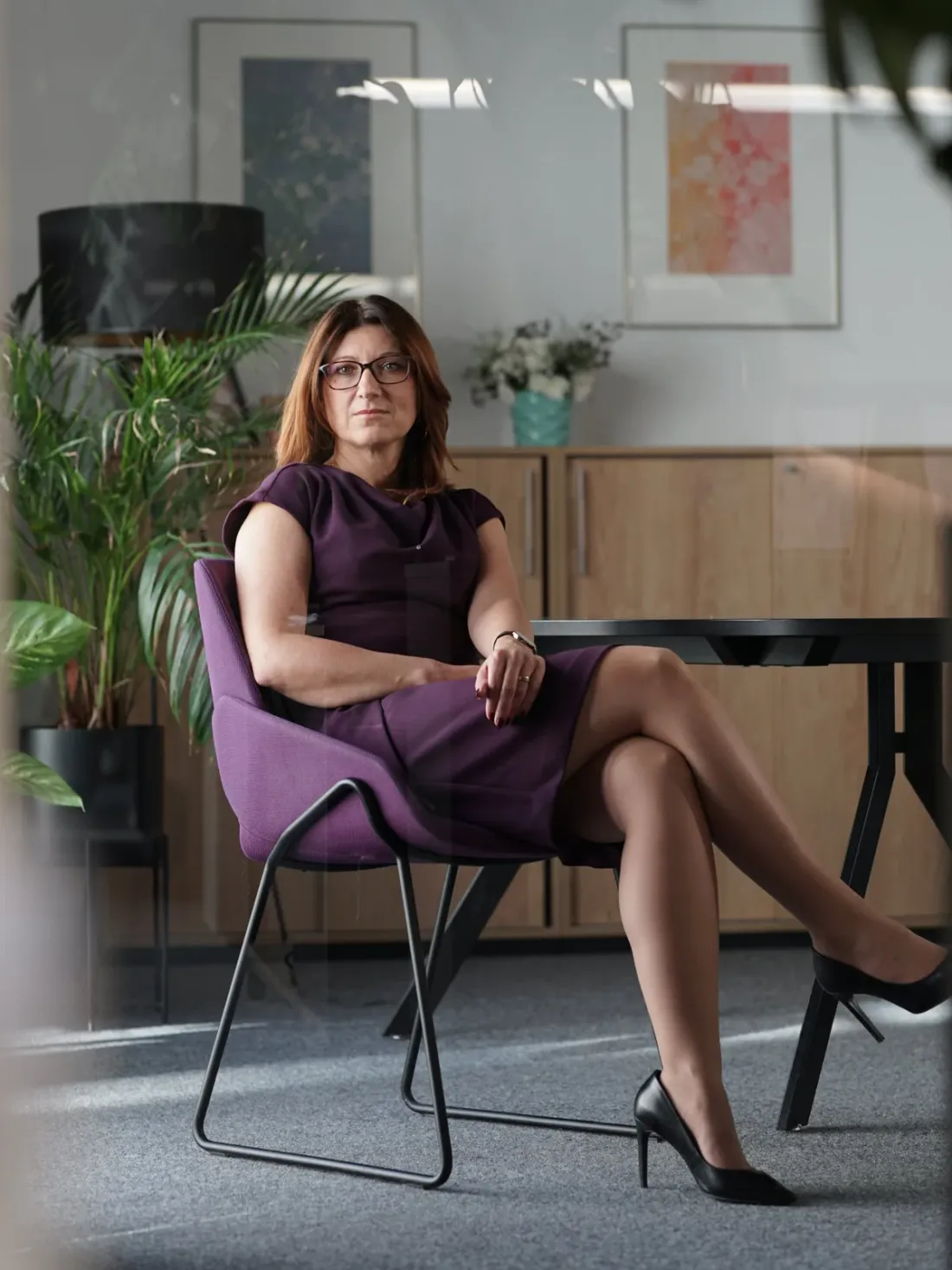
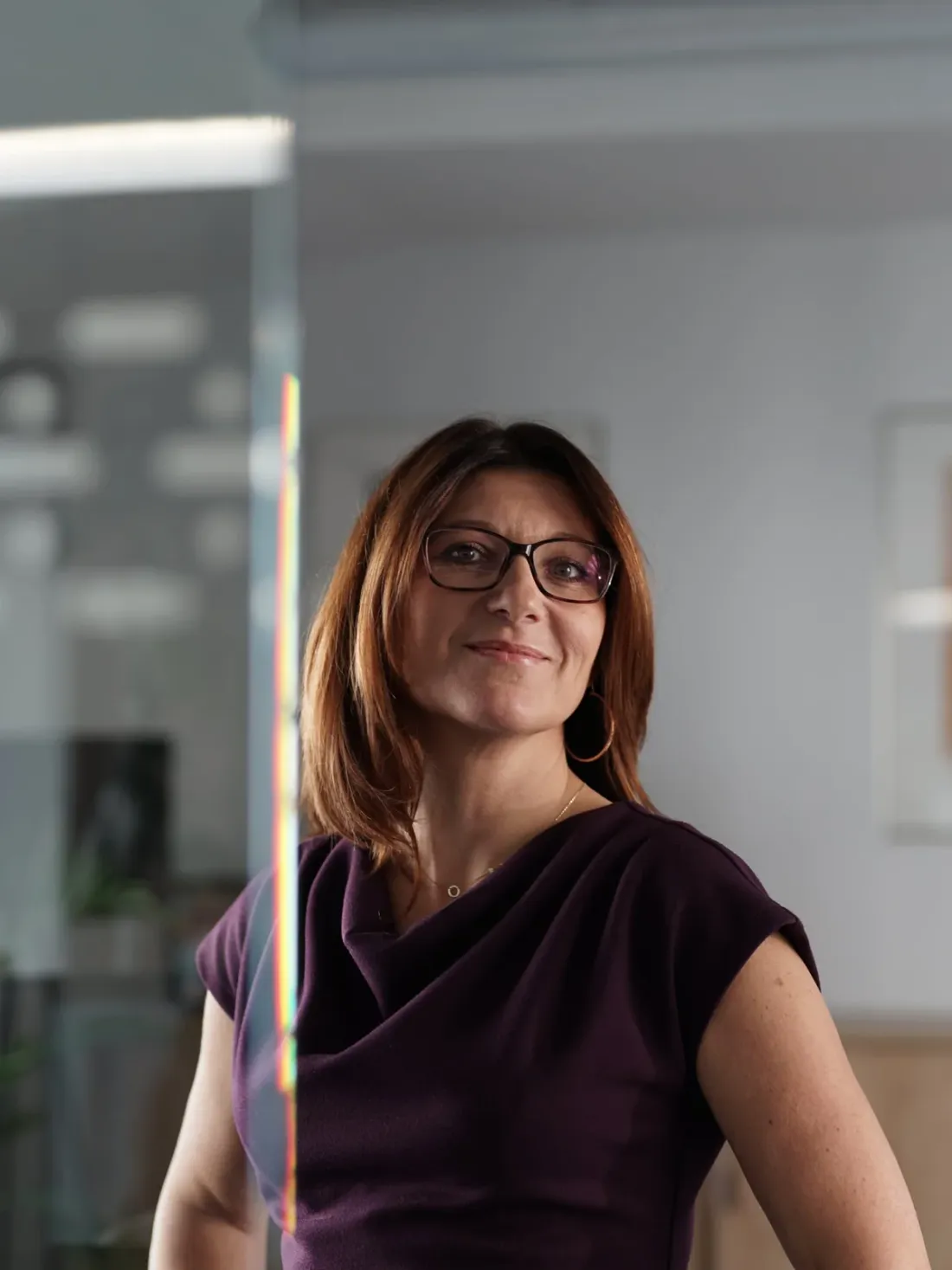
Drobczyk Jackowicz Architekci is an architecture practice in Gliwice. In November 2025 we photographed the whole office in one day. For the headshots we set up a neutral grey backdrop and one fixed light, so every person on the team page sits in exactly the same space, whatever day they join.
Two Versions Each
Every person got at least two retouched headshots, and anyone who wears glasses also got a version without them. 22 people, 60 finished headshots, one consistent look.
the office
05Work, Not Poses
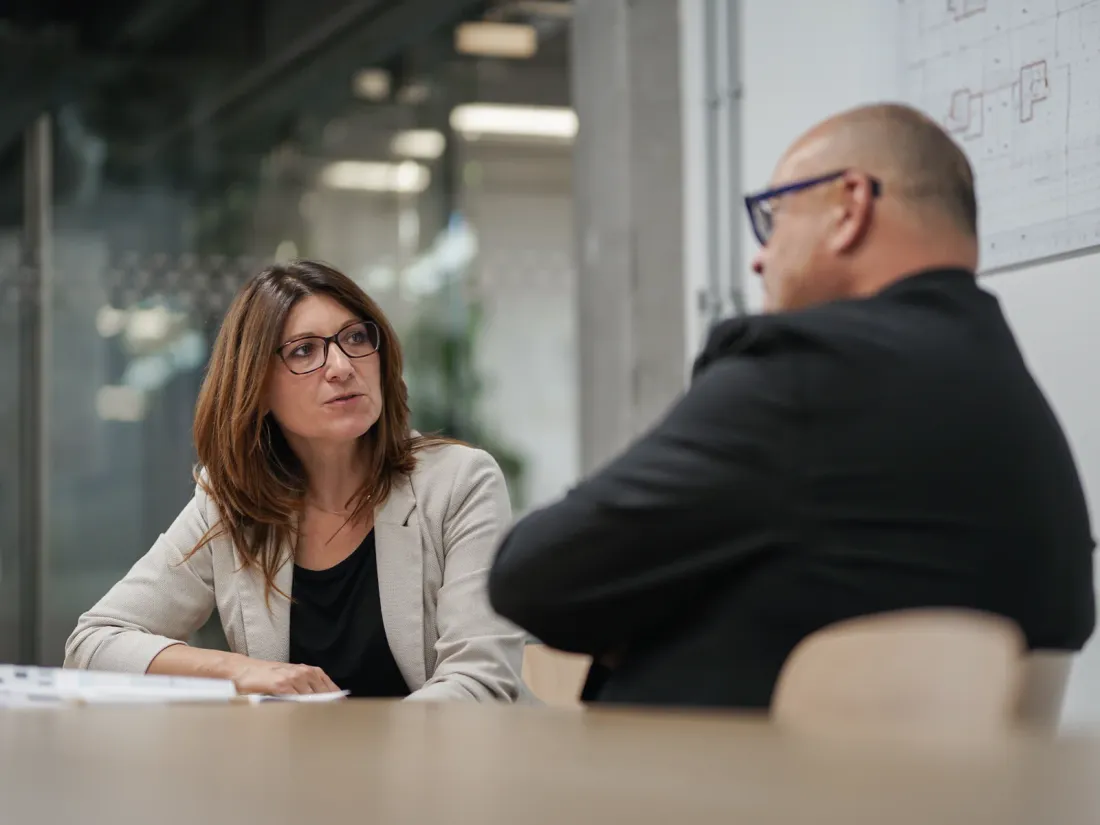
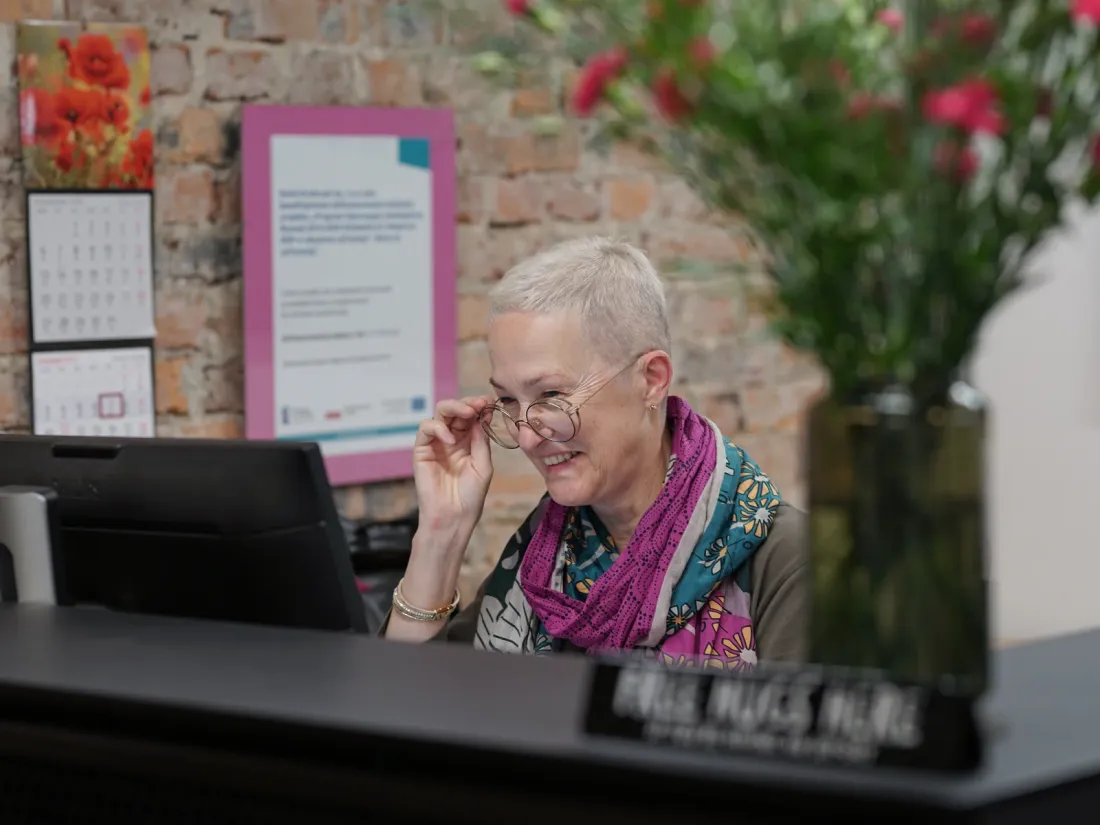
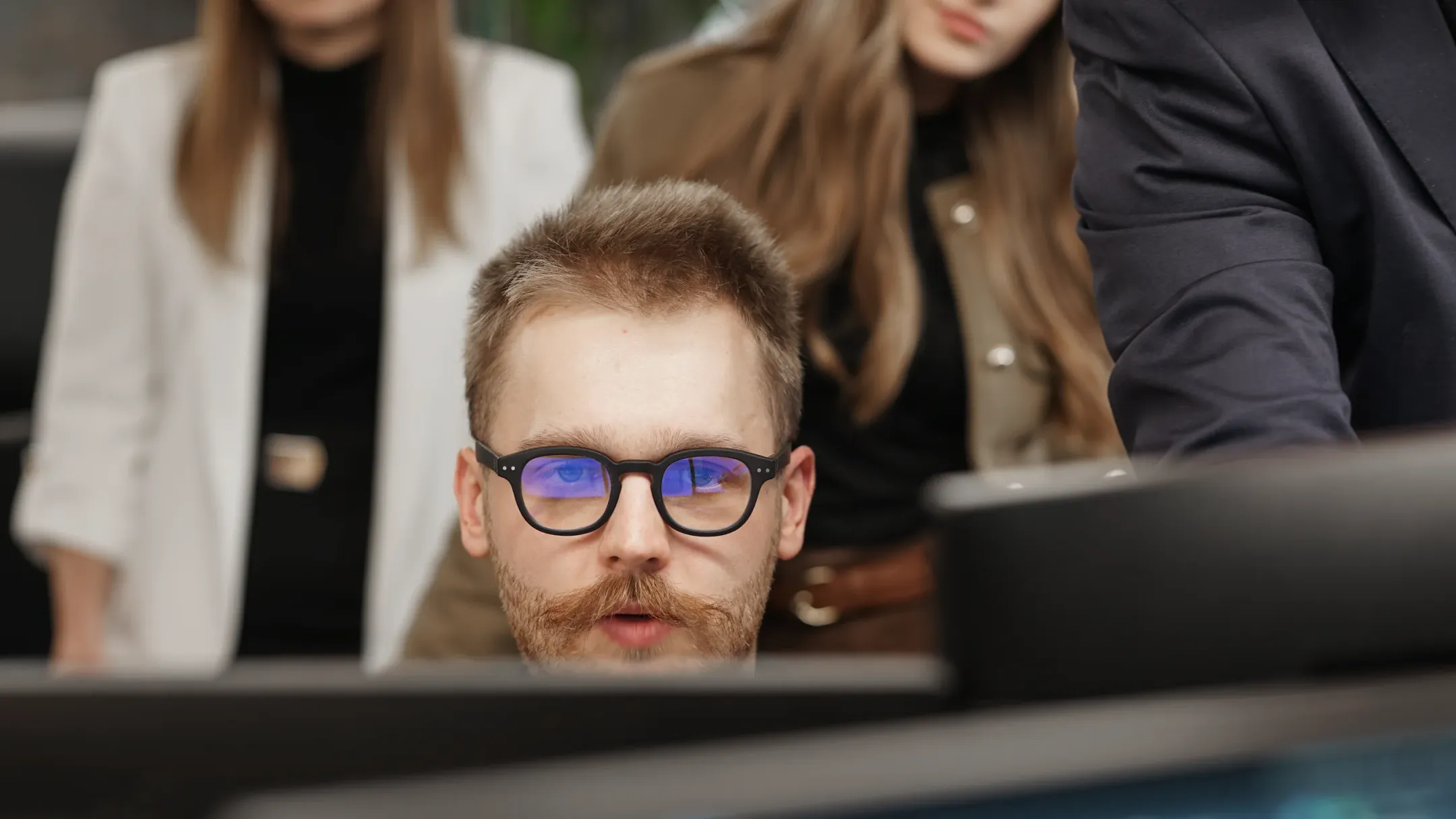
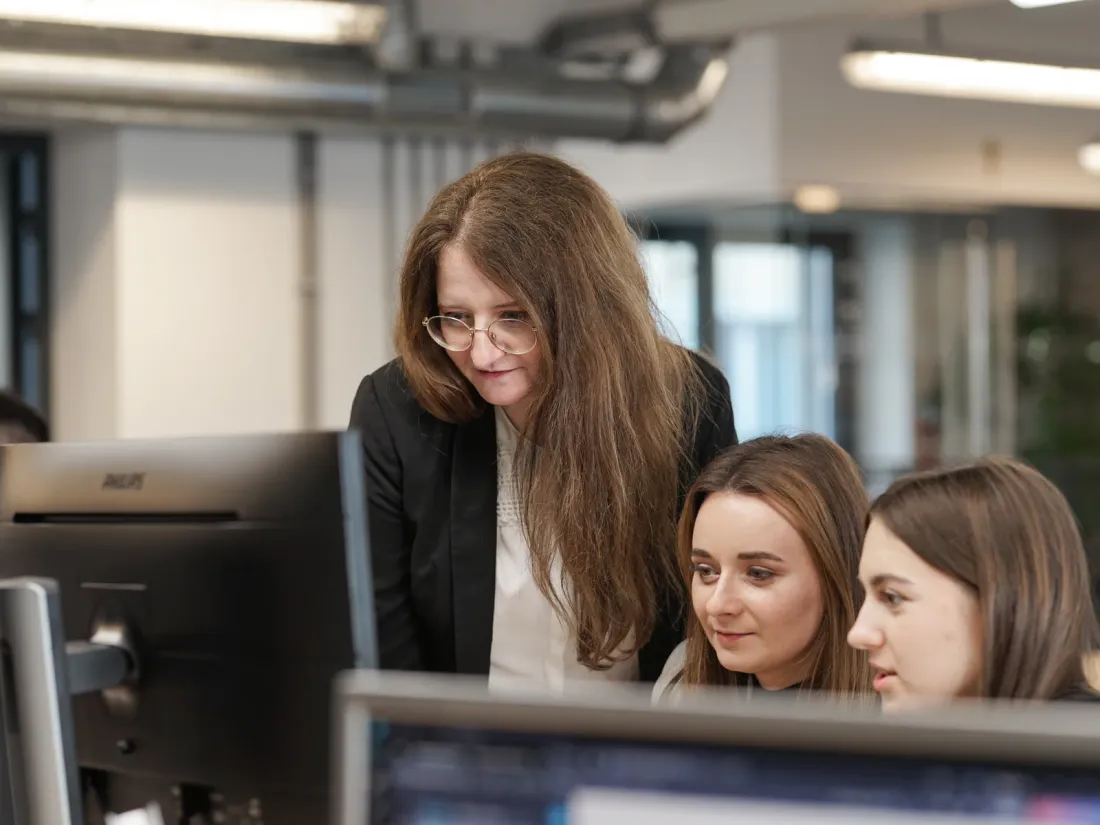
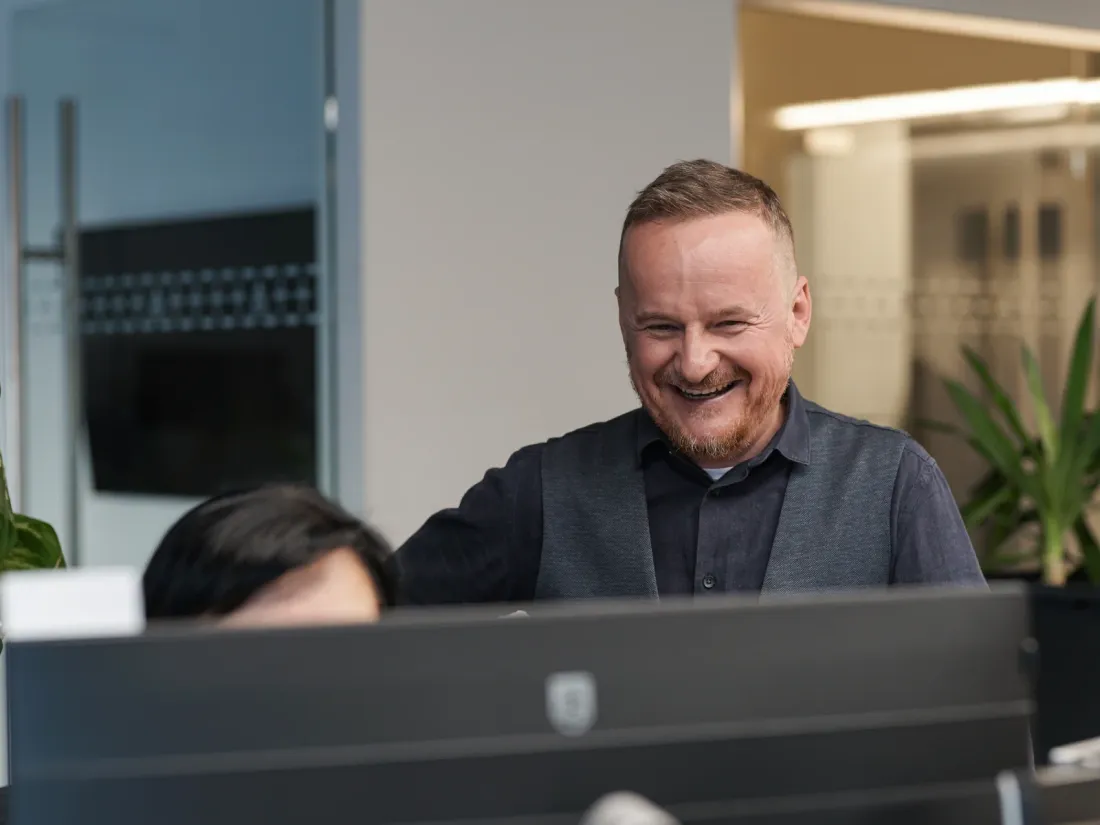
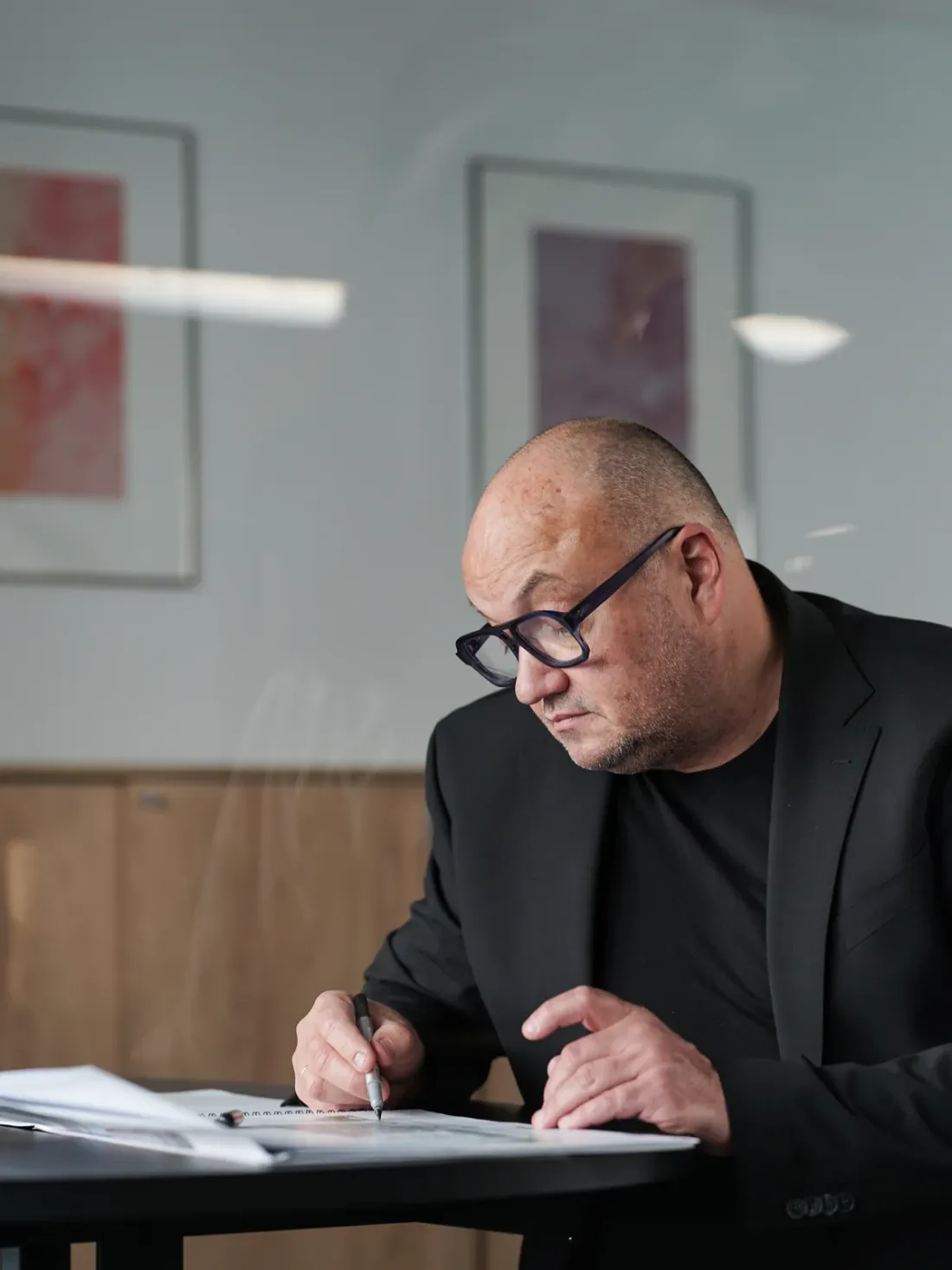
Between headshots we photographed the office as it runs: architects at their screens, project reviews at the whiteboard, the founders over a printed plan. We moved through the open space in small groups, so the work never stopped for the camera, and the camera never waited for the work.
For Every Channel
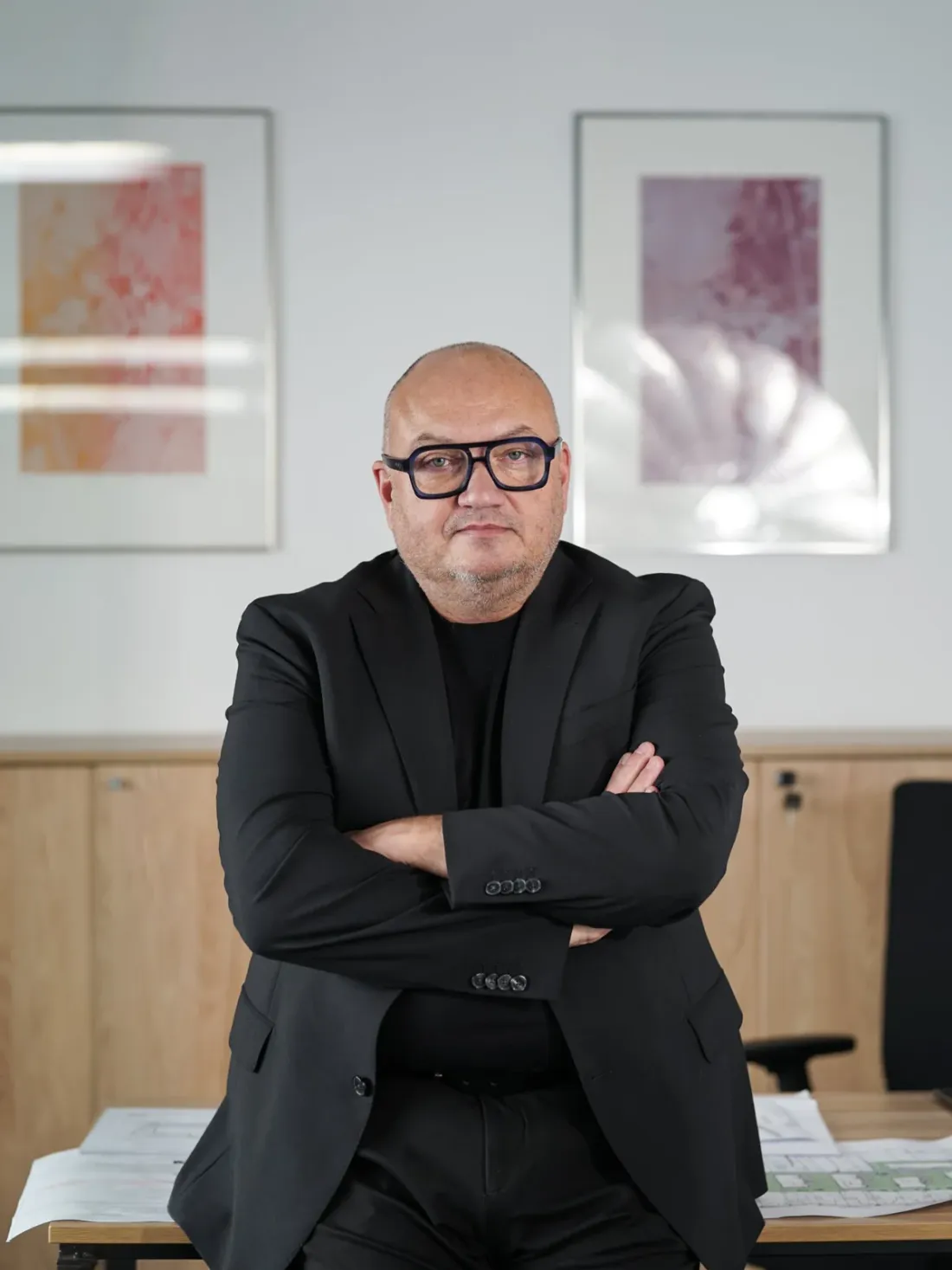
The set covers the website, recruitment posts, tender documents and press. Wide shots show the scale of the studio, close-ups show the people, and the portraits of the partners carry the same light as the rest of the team.
at work
06Hands at Work
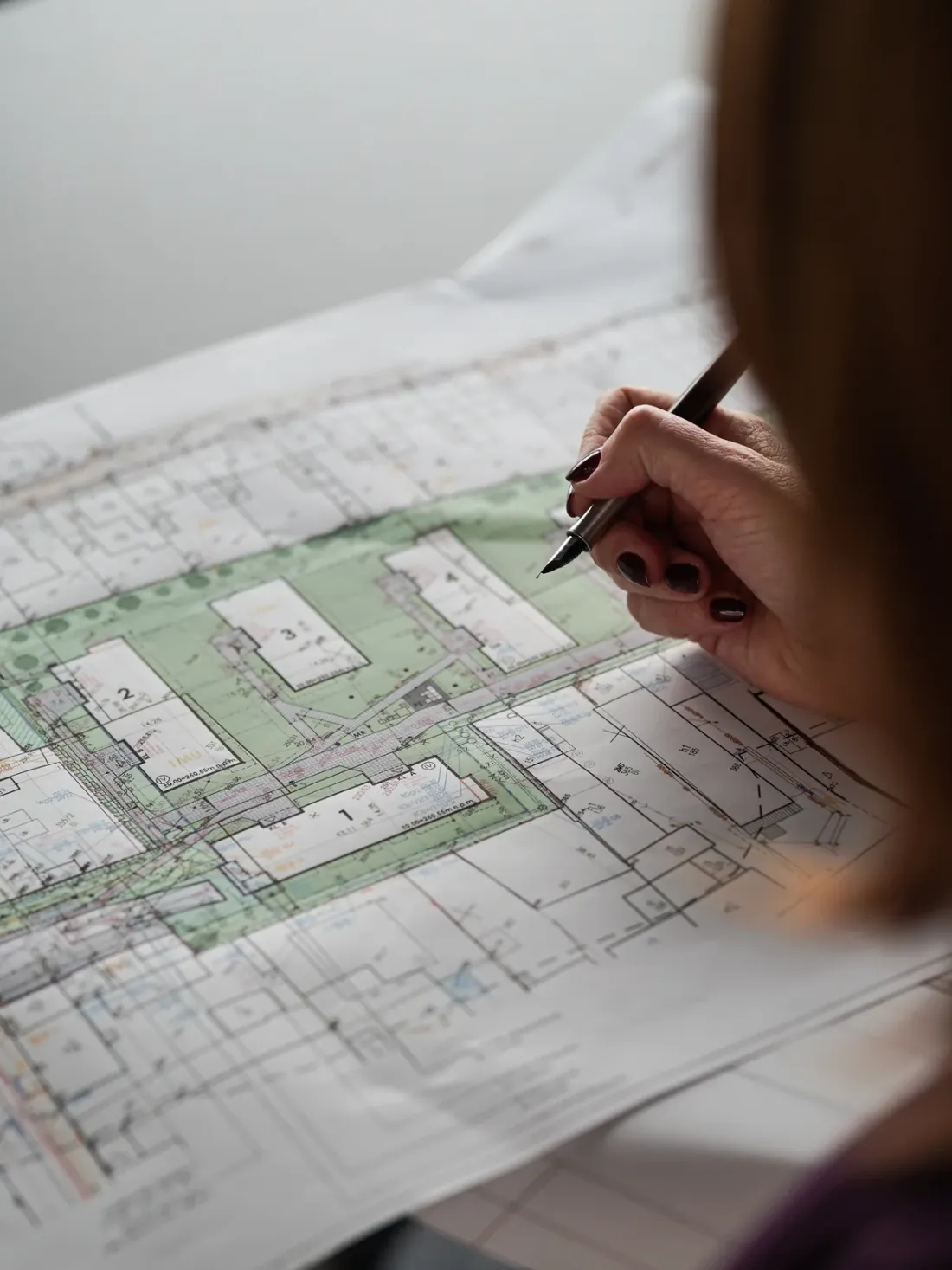
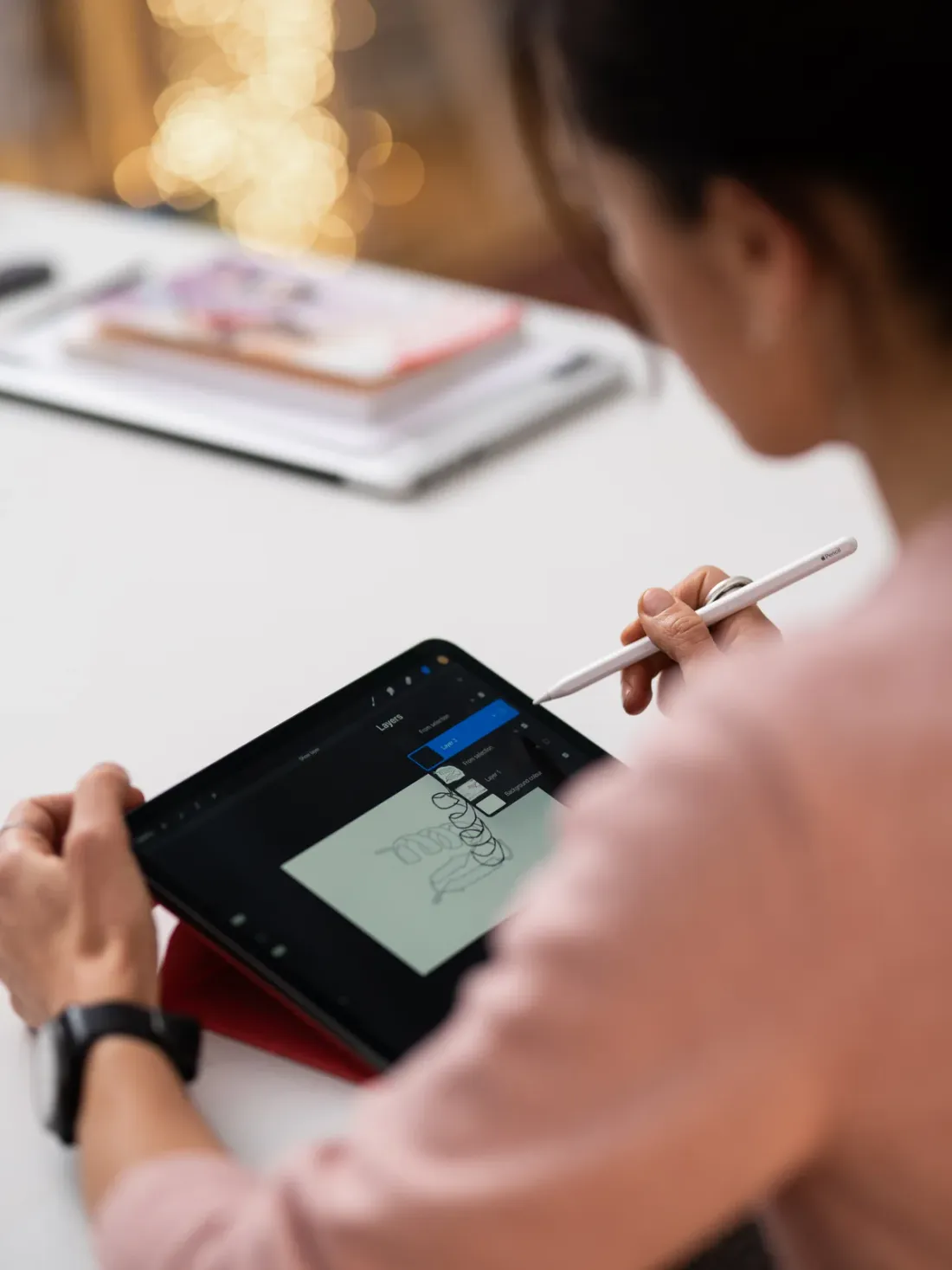
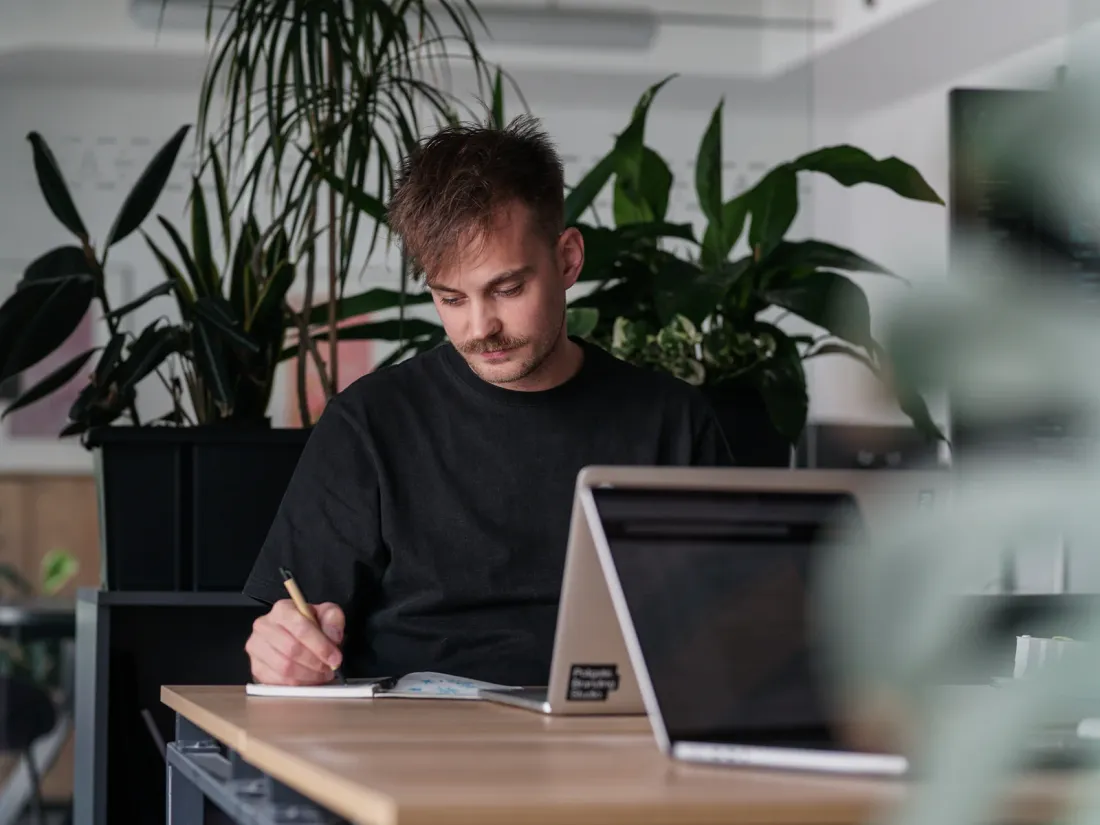
Faces are only half of the story. We also photograph the work itself: a pen on a site plan, a stylus on a tablet, a marker on a printed drawing, eyes fixed on a screen.
Detail That Explains
Close-ups like these explain what a company does better than a caption, and they work where a portrait would not: section openers, presentations, social posts and tender documents.
life science animation
07Two Founders, One Table
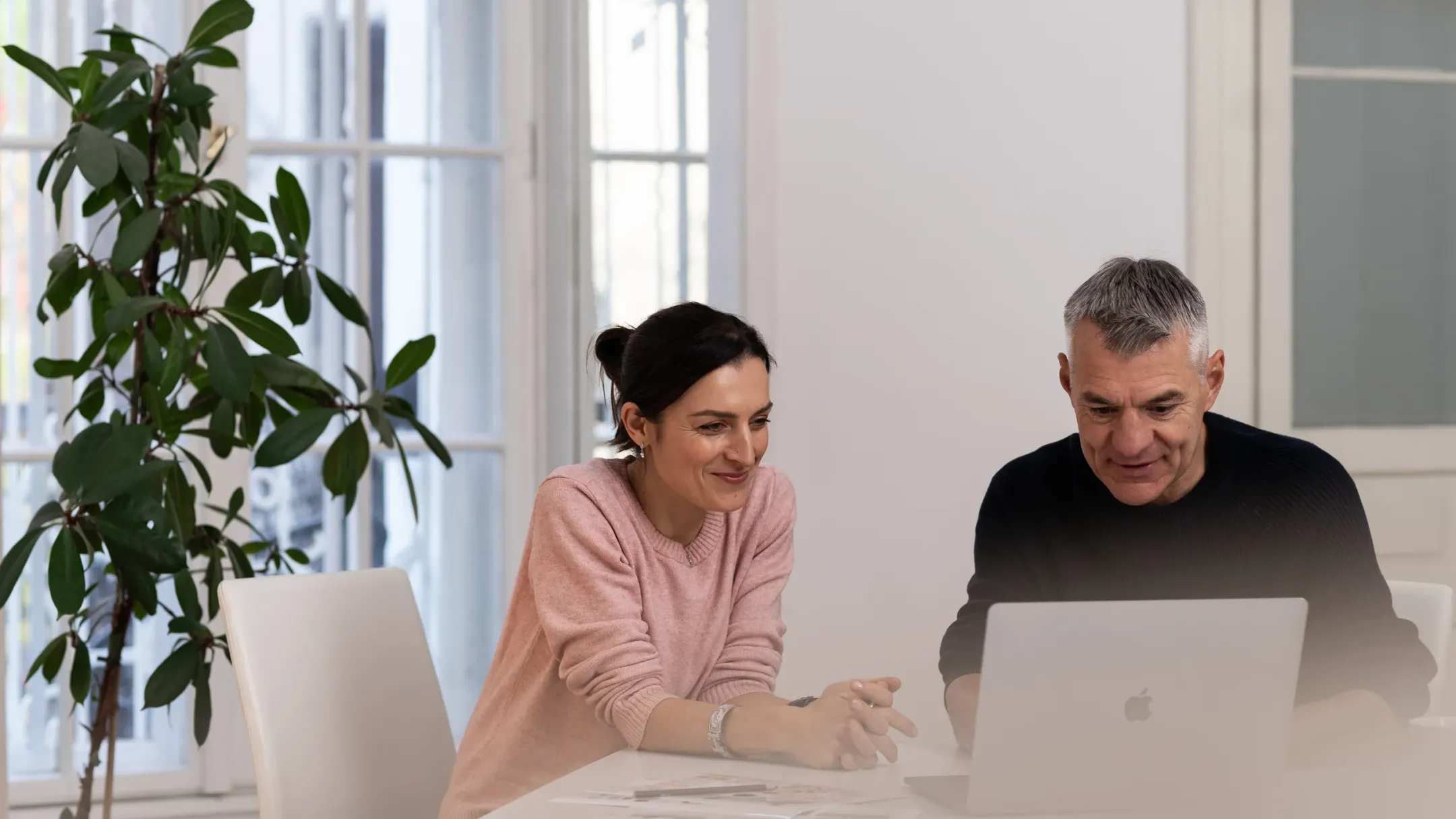
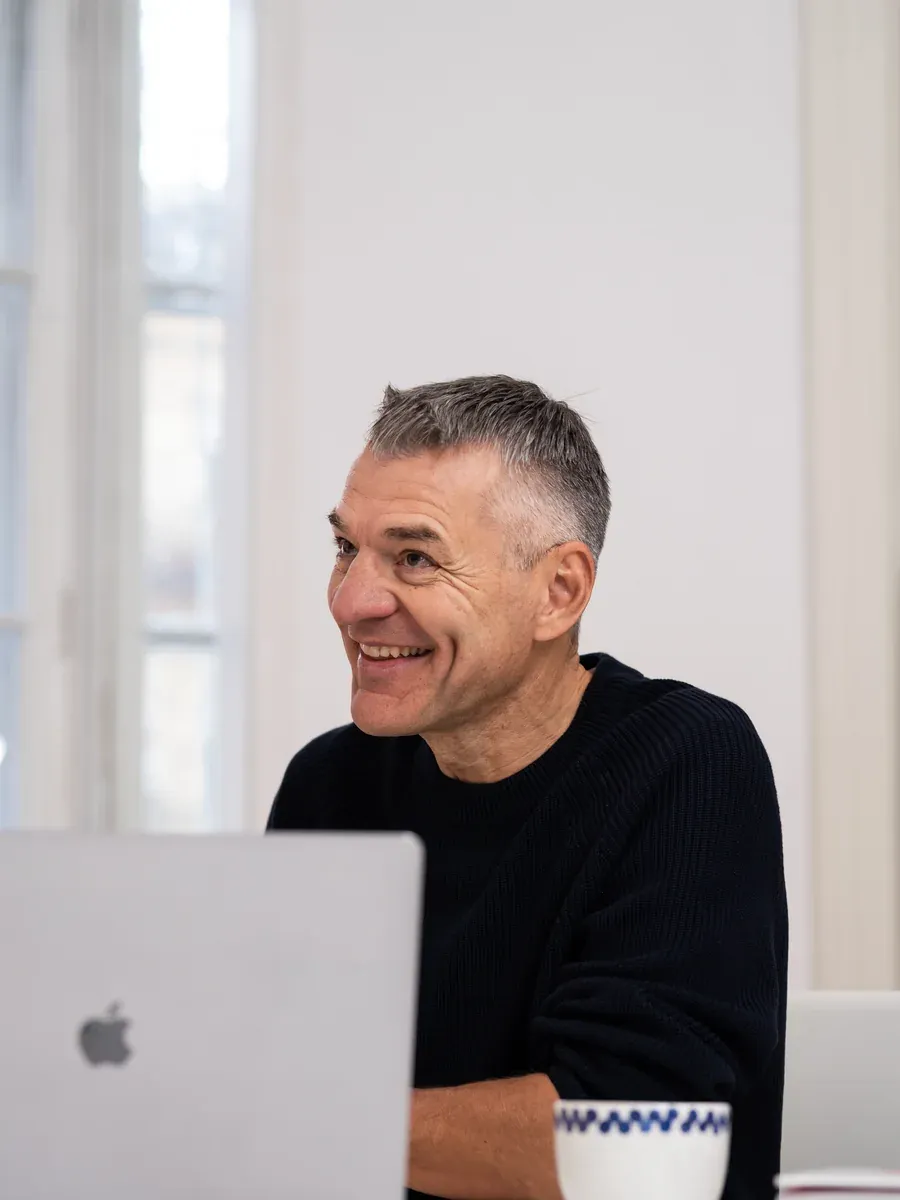
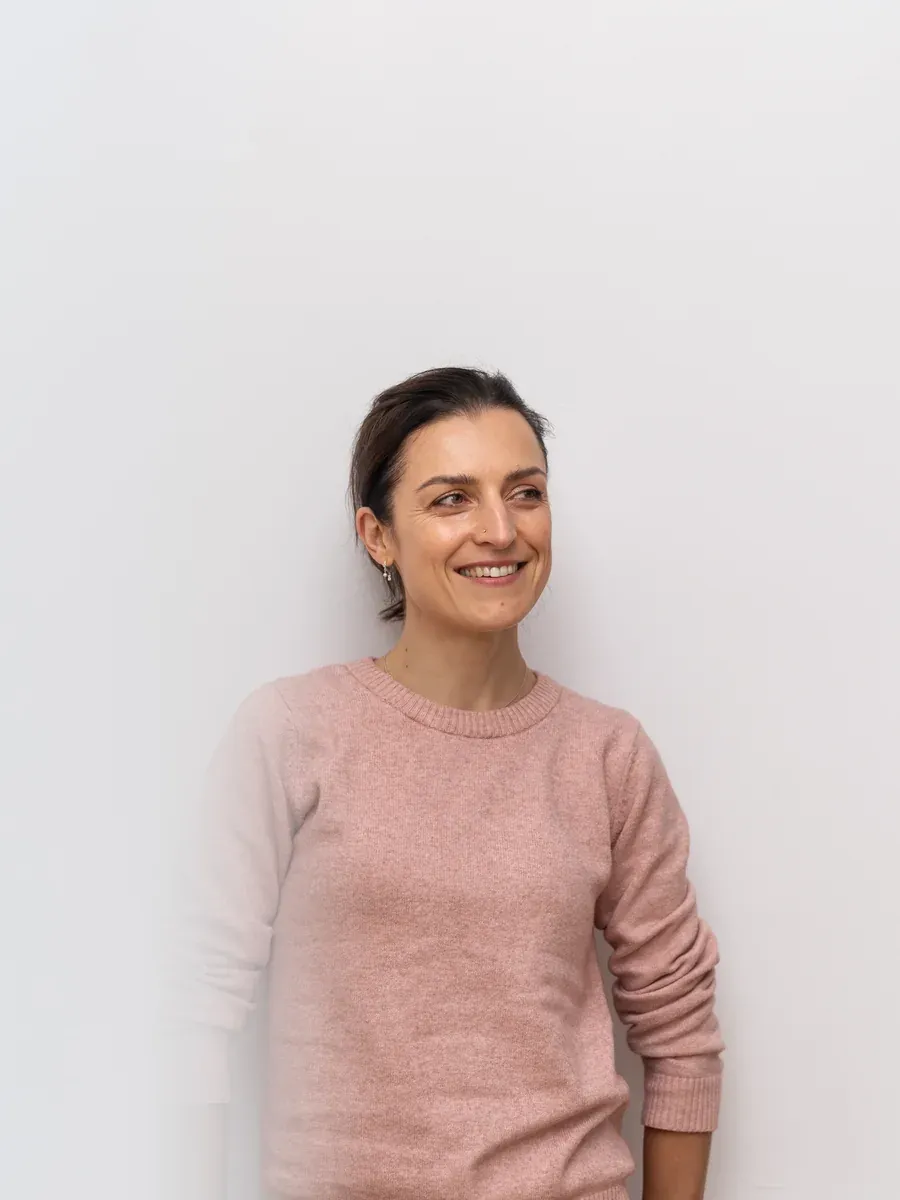
Life Science Animation is a family-run studio in Kraków that turns scientific research into 2D and 3D animation for investors and partners. Its two founders, one in marketing and one in science visualisation, needed photographs for the new brand and website we designed for them.
Their Space, Their Tools
We shot in November 2024 in their own bright workroom: the shared table, the bookshelves, the tablet and pencil where the illustrations begin. 29 finished photographs, from working scenes to clean portraits against a white wall.
our own team
08Tested on Ourselves First
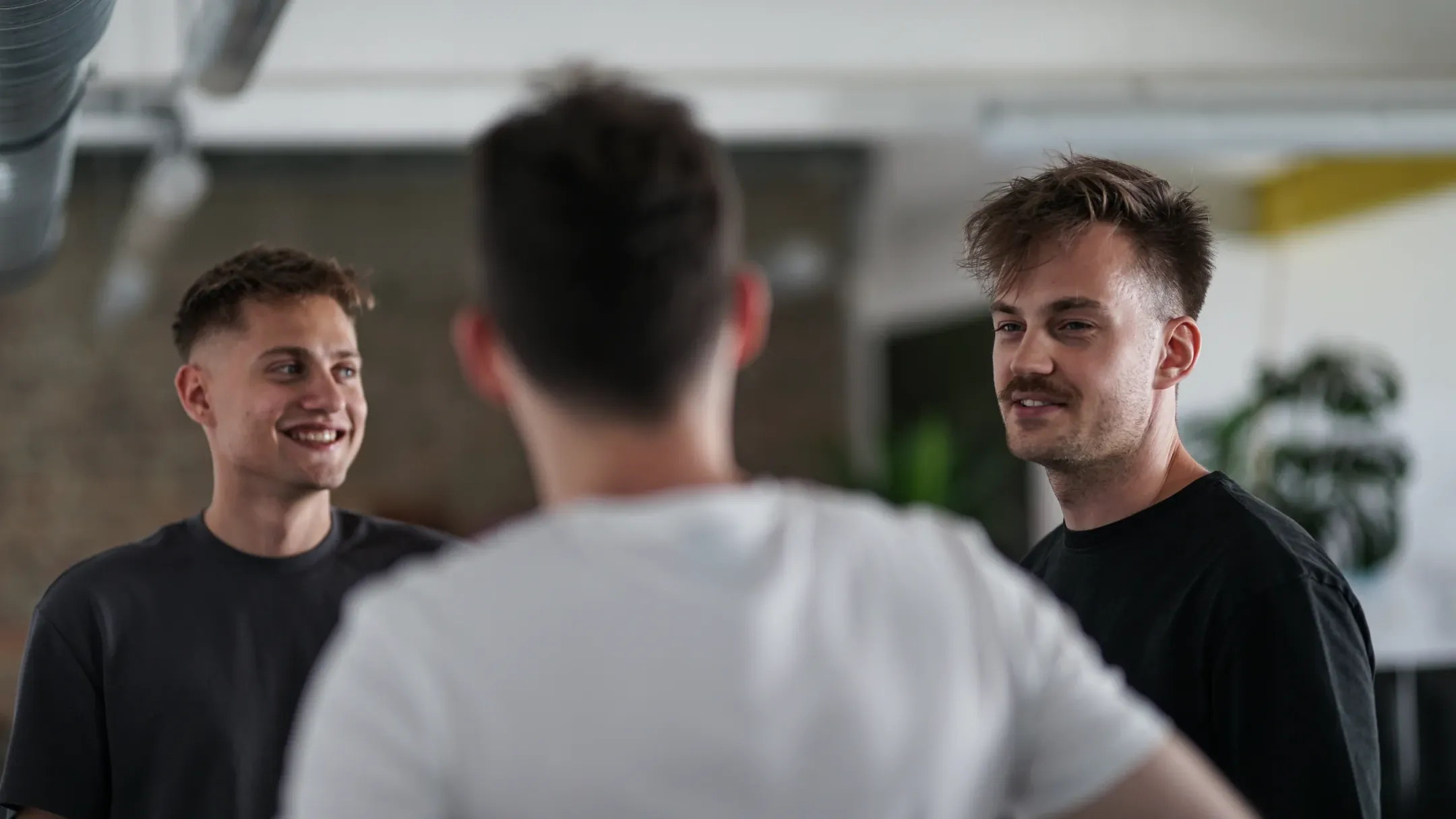
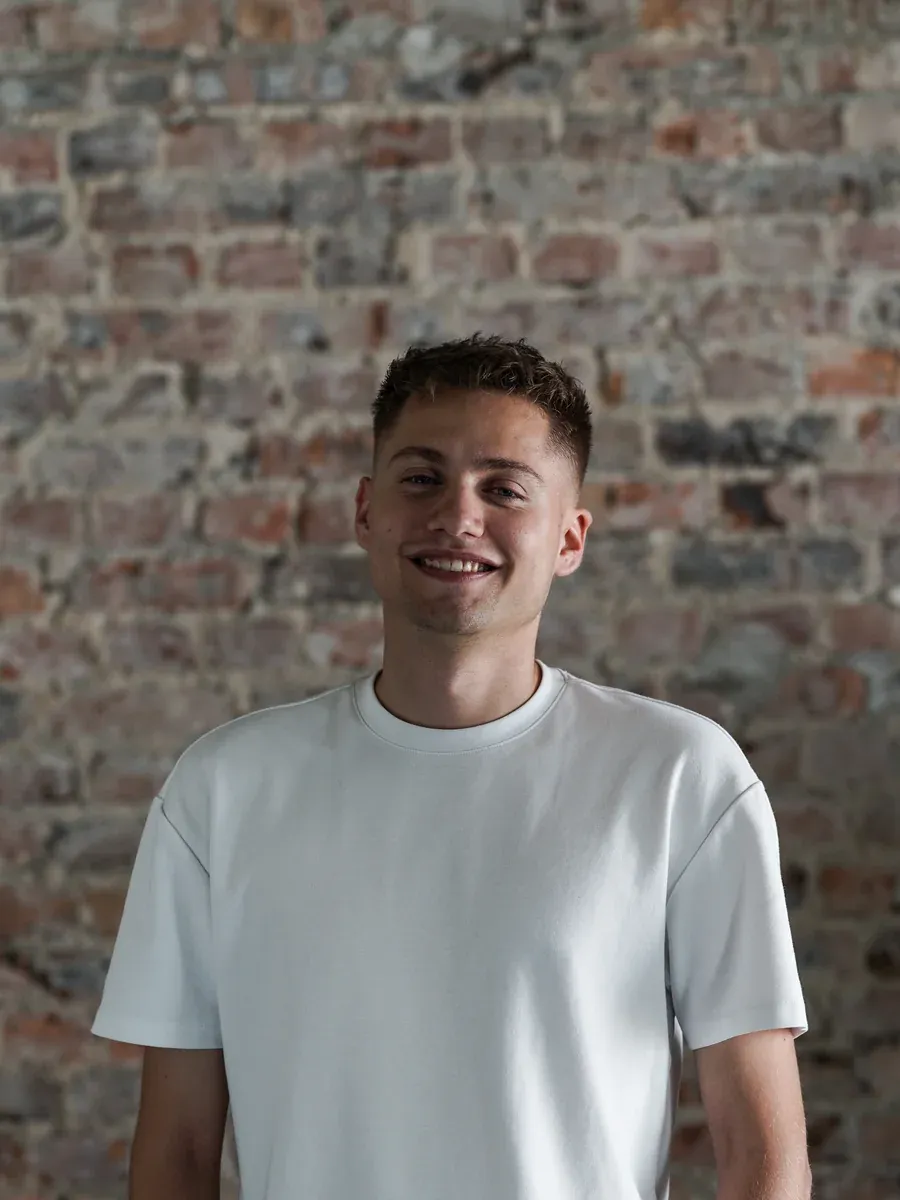
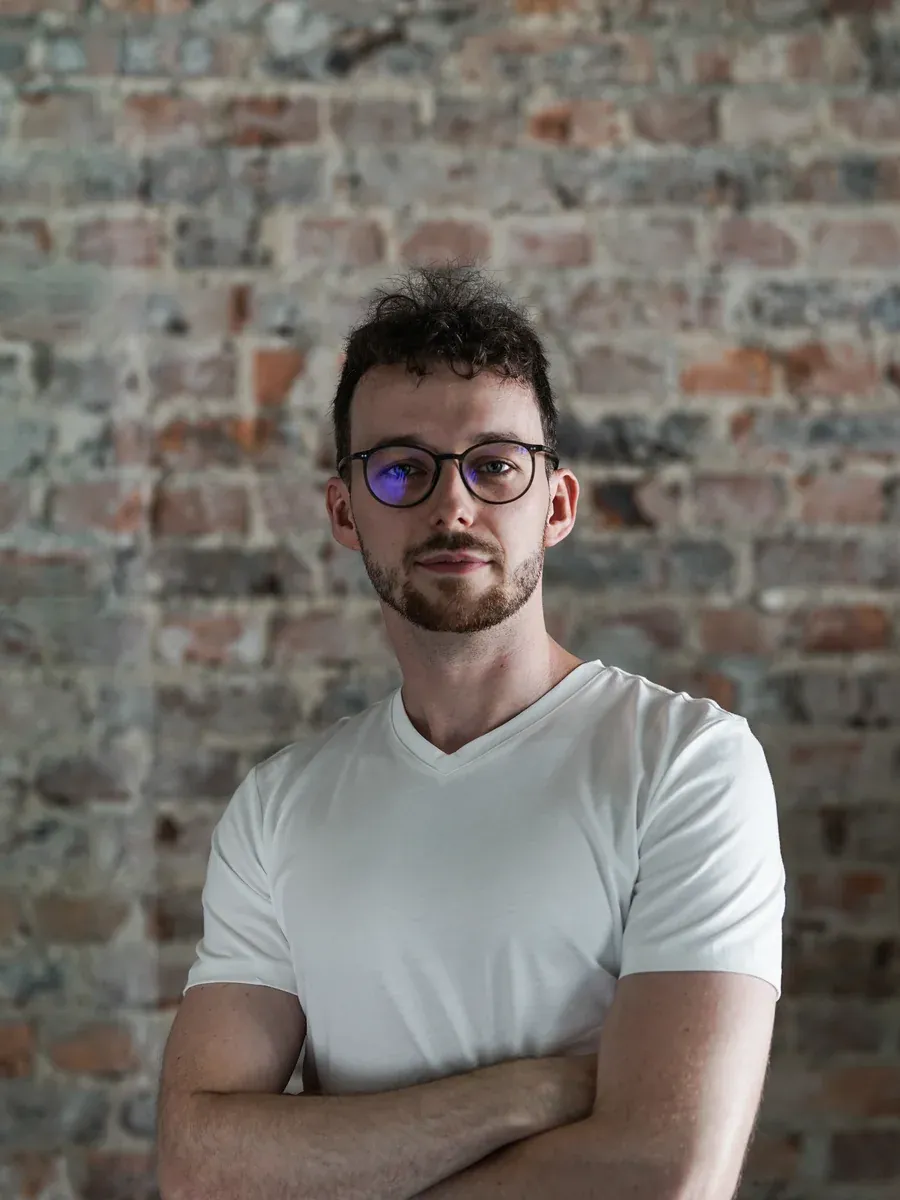
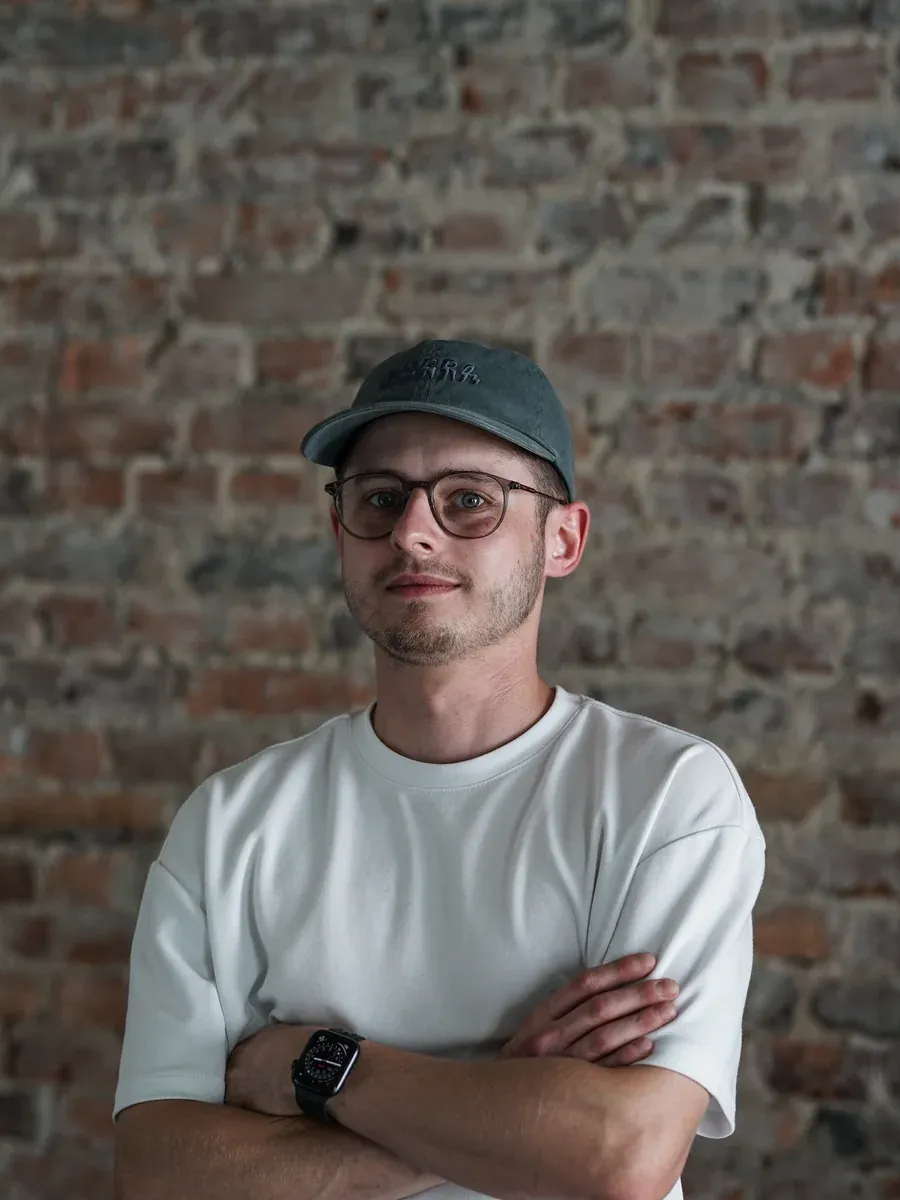
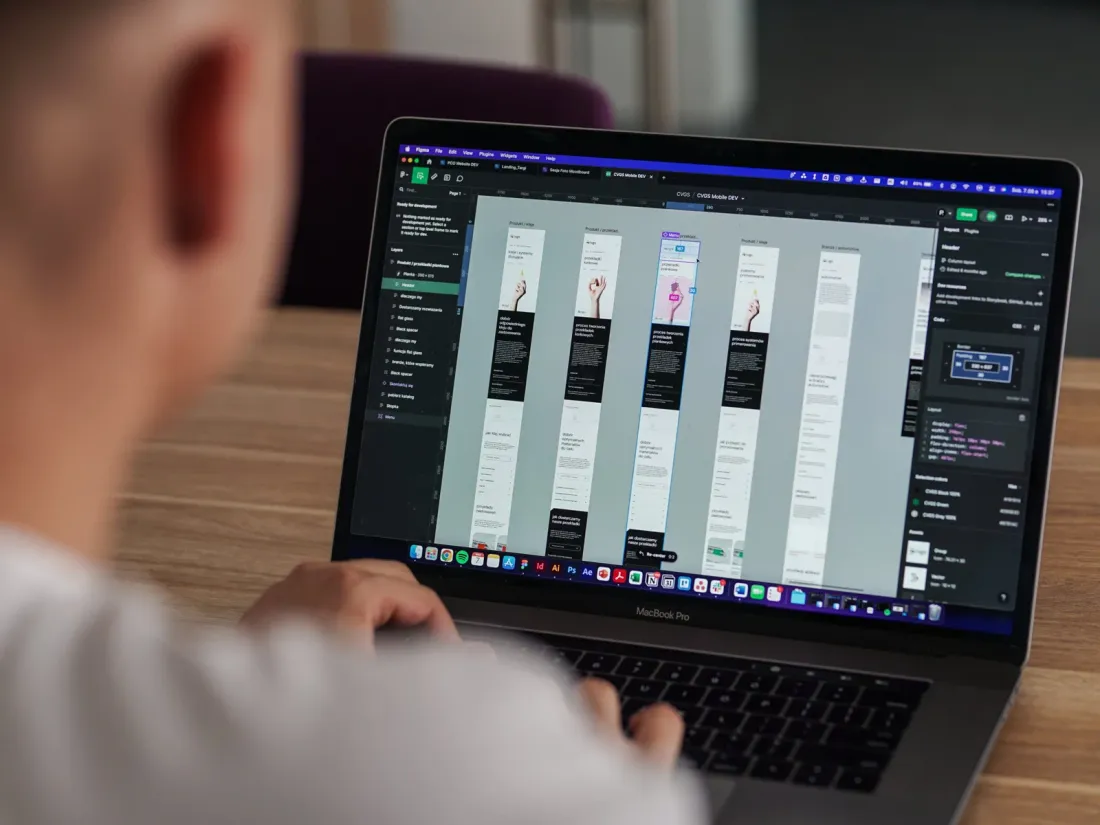
Before we photographed anyone else's team, we photographed our own. The session in September 2024 was where the method was set: the crew of three, the clothes rail and steamer on site, the shot list split between portraits and work, and the habit of keeping the camera moving while people talk.
128 Photos, One Day
One day produced 128 finished photographs that still carry our website, proposals and social media. Every rule we now bring to clients was tested on our own faces first.
behind the scenes
09What Happens on the Day
A session starts long before the first shot. We walk the space, choose two or three spots with the best daylight, set the backdrop and plan who goes where and when. People come to the set in small groups, so nobody waits long and the office keeps working.
Checked on the Spot
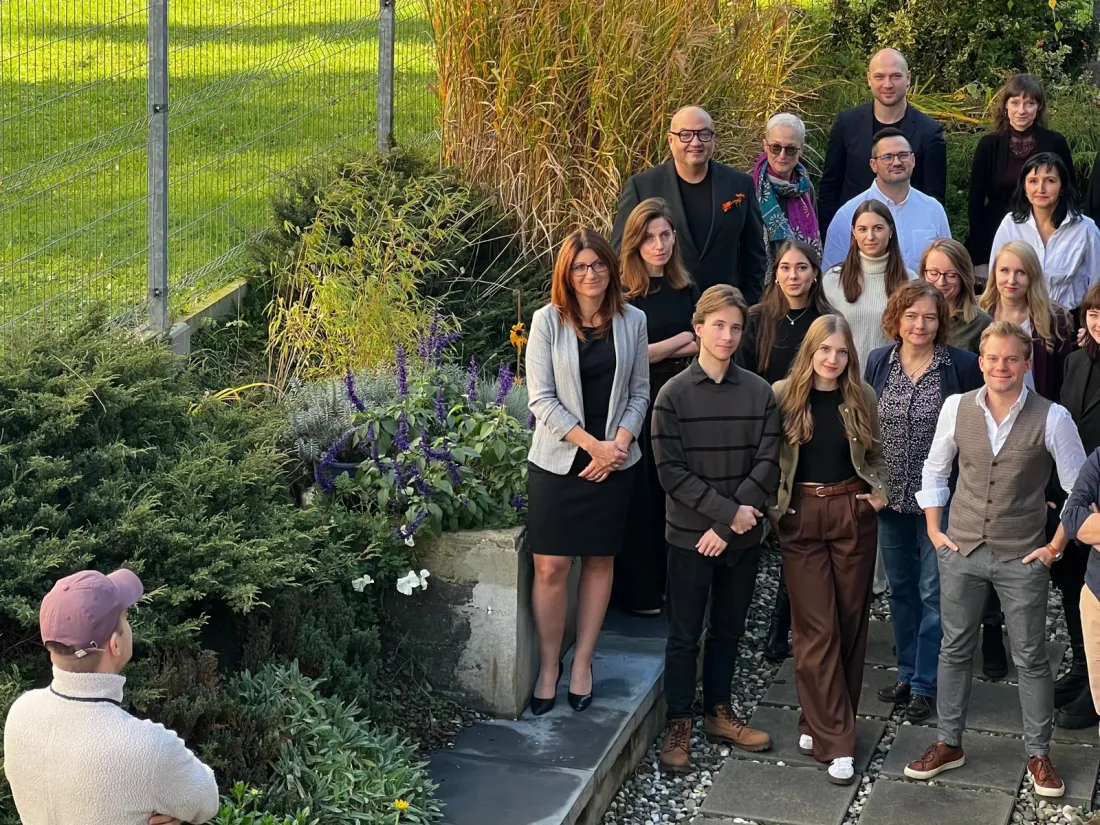
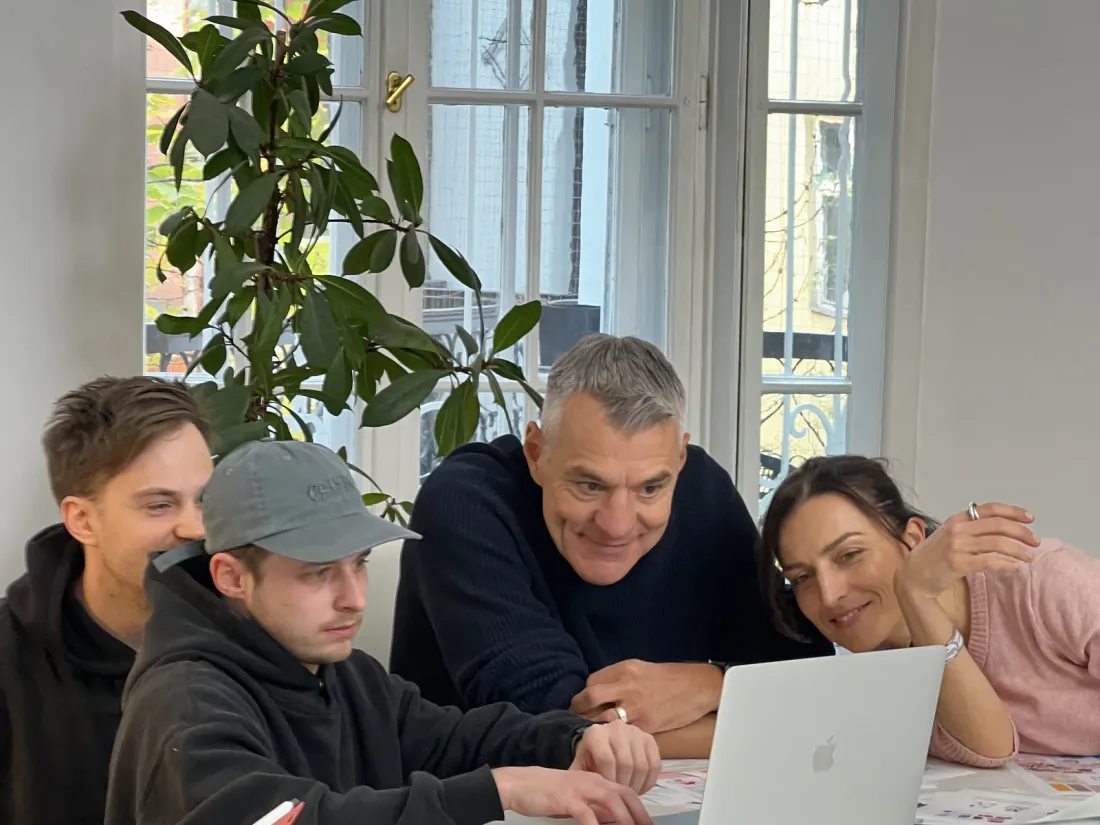
We review the frames with the client during the session, on a laptop at the table. If an expression, a jacket or a background is not right, we fix it while everyone is still in the room, not in post-production. Group photos get the same care: we climb the stairs or a balcony to find a view where every face is visible.
outcome
10Result
Three sessions, three very different workplaces, one method: 60 headshots of 22 people plus 59 office photographs for Drobczyk Jackowicz Architekci, 29 photographs for Life Science Animation and 128 for our own team. Each client got portraits people are happy to put their name next to, and a library that shows how their company really works.
Blog